
Numbers of feral cats in the Mid Canterbury high country are ‘‘horrifying’’, conservationists say.
More than 100 have been trapped and killed by the Department of Conservation in the upper Rangitata River this year, while community trapping groups have captured many more.
Ashburton Forest & Bird chair Edith Smith said the damage that can be wreaked by one cat alone was illustrated by the story behind the recent capture of a feral tomcat by DOC.
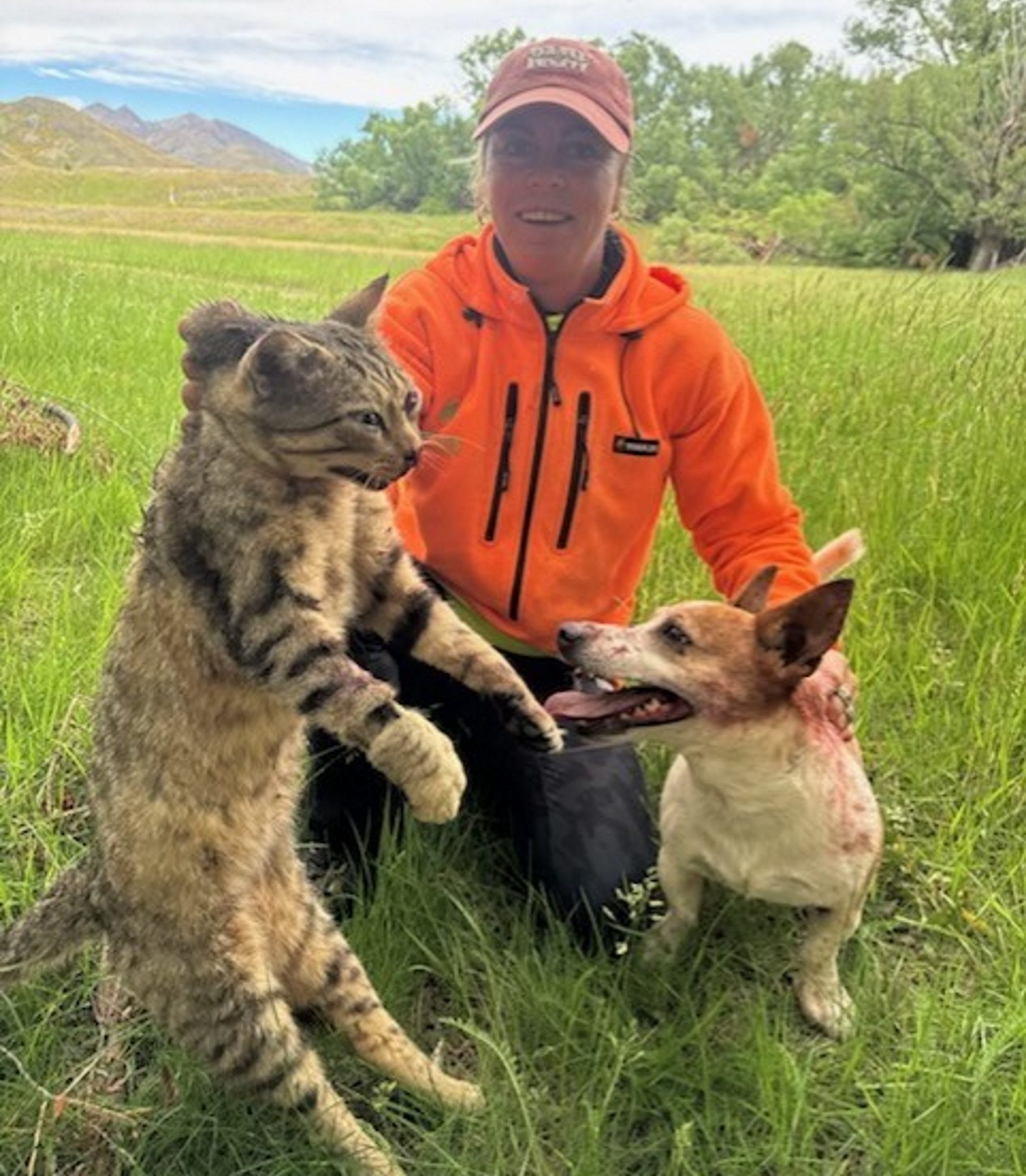
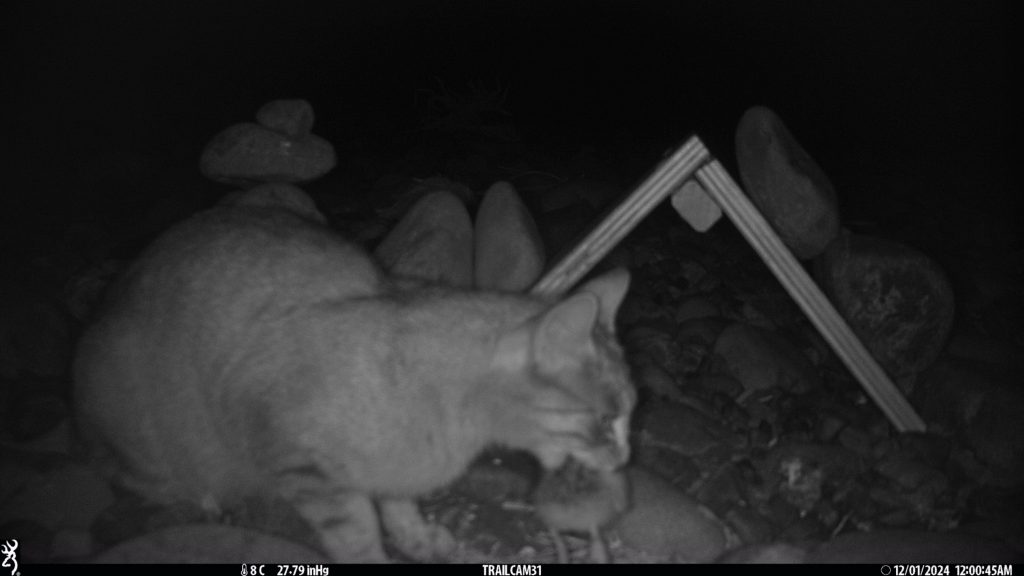
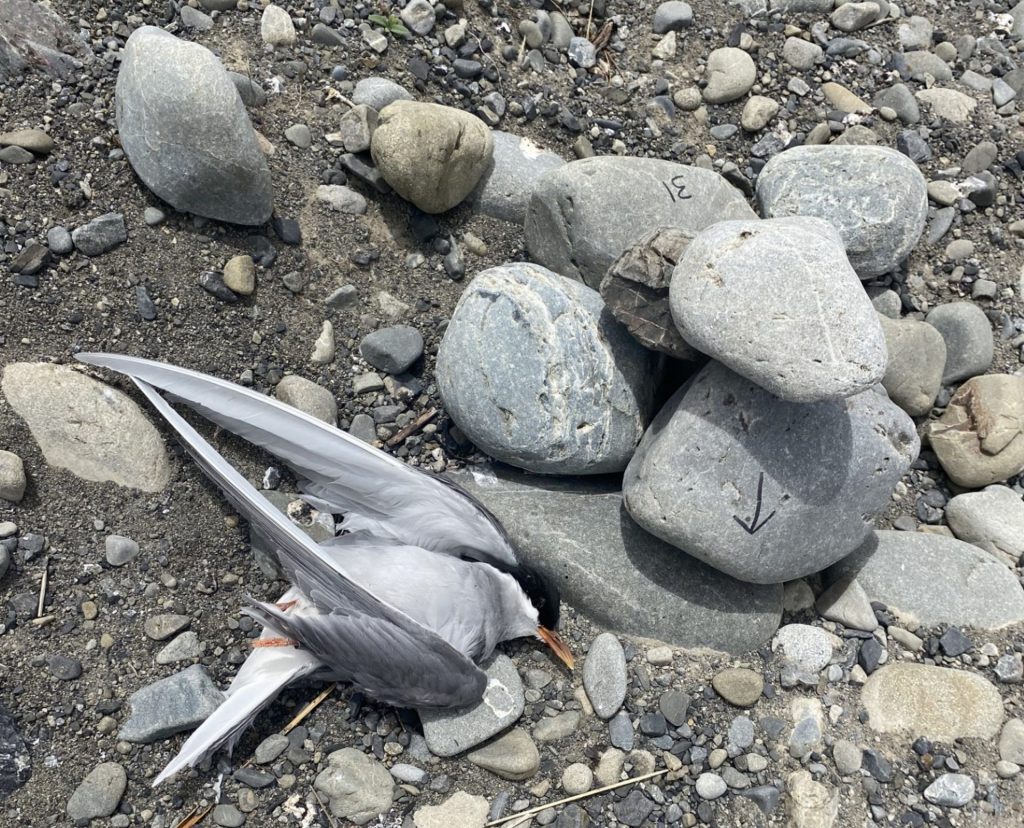
The department issued a statement this week, saying a cat which last year destroyed a large black-fronted tern colony on Canterbury’s Clarence River was finally caught.
The 6kg cat had eaten several adult birds, chicks and eggs, causing almost all 95 nests to be abandoned.
Pest contractors, husband and wife team Jasen and Shannon Mears of J & S Mears, and their dog Billy tracked the cat for three days before catching it.
‘‘The damage that can be done by one cat in one night, it’s just shocking and heartbreaking,’’ Smith said.
‘‘Endangered species are so vulnerable.’’
These included not only braided river birds such as the tern, but other birds such as kea, alongside lizards and skinks.
She applauded the government’s recent addition of feral cats to the Predator Free 2050 target species list.
It meant the feral cats caught by Mid Canterbury’s many community trapping groups operating in Mid Canterbury would now be officially included in data recorded under the auspices of Predator Free.
‘‘We have the evidence then of their population and their potential impact on our wildlife,’’ Smith said.
She said feral cats caught in kill traps operated by community trapping groups in the Mid Canterbury high country were generally in good condition, suggesting they had found plenty of wildlife to feast on.
Ashburton Forest & Bird runs a trapping programme around the Maori Lakes, catching a few feral cats each year, while Ashburton Forks Catchment Group reported earlier this year having removed 27 feral cats in under 18 months.
A Lake Heron Community Group trapping programme has caught 107 feral cats in the last seven years. This compares to 714 hedgehogs, 193 stoats, 175 rats and 143 possums.
DOC runs a large programme in the upper Rangitata River to protect nesting black-fronted terns and wrybill; the trapping network includes kill traps for feral cats.
In addition, the department undertakes trapping operations using leg-hold traps for 10 days twice a year to target feral cats. This year it caught 62 in March and another 54 in August.
Leg-hold traps grip and hold the animal by its leg. They are inspected daily and the animals are humanely killed.
DOC operations manager Tony Preston said feral cats were widespread in New Zealand.
‘‘They are a big problem in the Canterbury high country including the Rakaia, Rangitata and Ashburton/Hakatere catchments,’’ Preston said.
There were predator control programmes run by Environment Canterbury in the Ashburton and Rakaia Rivers.