
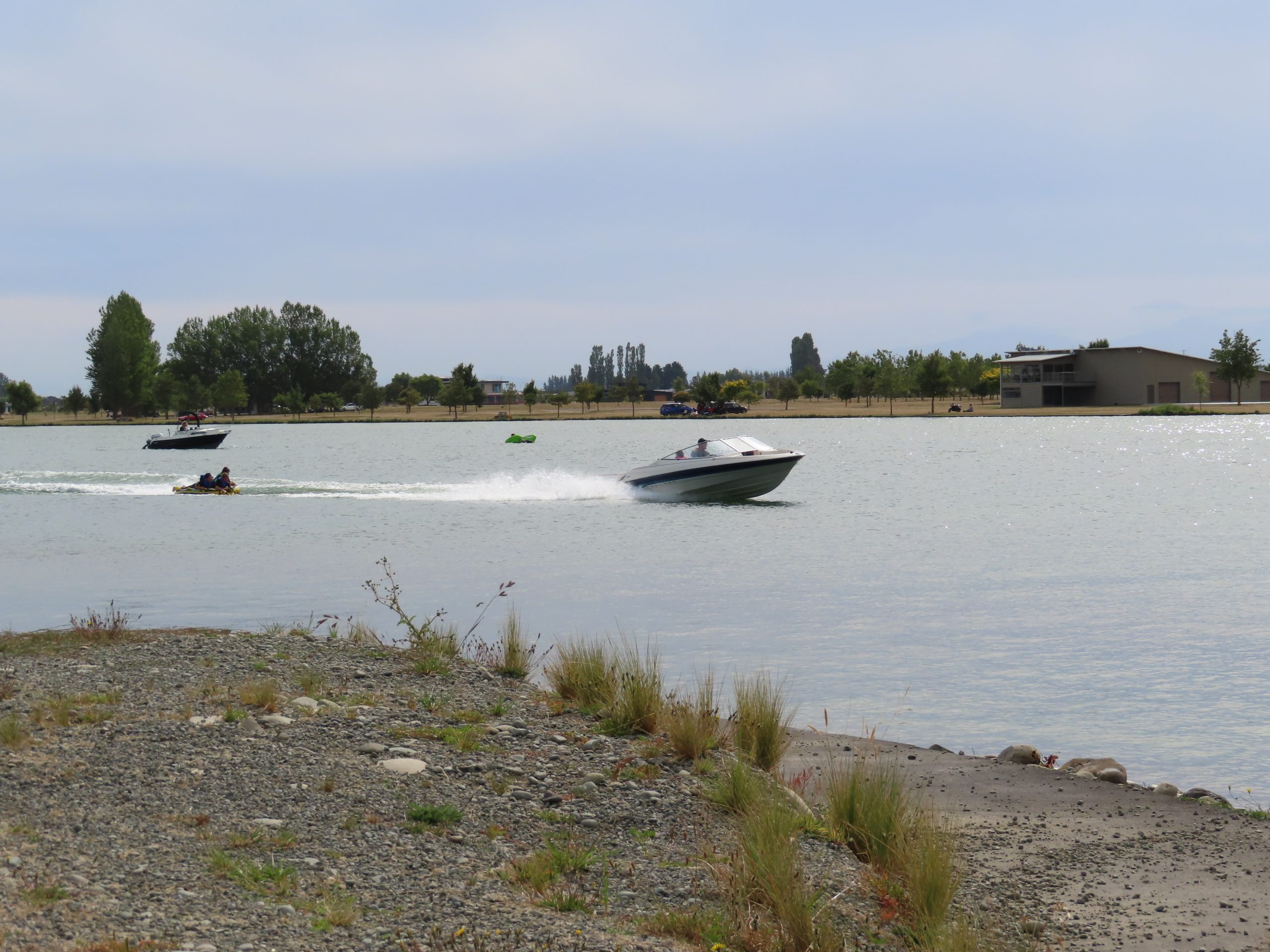
Health New Zealand has issued a health warning at Lake Hood after potentially toxic harmful blue-green algae (planktonic cyanobacteria) was found.
People should avoid the Lake and animals, particularly dogs, should not be allowed near the water until the health warning has been lifted.
The type of cyanobacteria present in high concentrations is: Dolichospermum (formerly called Anabaena).
It can be present as cloudy, discoloured water and/or green globules floating in the water column or form surface scums or sheens.
Dr Cheryl Brunton, Medical Officer of Health for the National Public Health Service, says the algal bloom can produce toxins harmful to humans and animals.
“People should avoid contact with the water until further notice.”
“No one should drink water from the lake at any time. Boiling the water does not remove the toxin,” she says.
“Fish can concentrate toxins and their consumption should be avoided. If fish are eaten, remove the gut and liver and wash in clean water,” Dr Brunton says.
“When a bloom is present in a lake, there is a possibility of cyanobacteria and toxins being transported downstream. People are advised to avoid contact with the downstream water bodies,” she says.
“Exposure may cause skin rashes, nausea, stomach cramps, tingling and numbness around the mouth and fingertips. If you experience any of these symptoms, visit your doctor immediately and please let your doctor know if you have had contact with the lake water”, Dr Brunton says.
Environment Canterbury monitors the lake during summer, and the public will be advised of any changes in water quality that are of public health significance.
Facts about cyanobacteria
Cyanobacteria occur naturally but can increase rapidly during warmer months.
Harmful algal blooms are caused by a combination of nutrients in the water (such as nitrogen and phosphorus), and favourable weather conditions (for example as increased temperature, calm days).
If the water is cloudy, discoloured, or has small globules suspended in it, avoid all contact.
Not all cyanobacterial blooms are visible to the naked eye and toxins can persist after the blooms disappear.
Cyanobacterial concentrations can change quickly with changing environmental conditions (e.g., wind). If a health warning is in place avoid contact with the water.
Animals that show signs of illness after coming into contact with algal scums should be taken to a vet immediately.