A Tinwald dairy farm has become an avian nursery, helping boost populations of the world’s rarest gull.
About 1500 tarapuka/blackbilled gulls nested in a paddock of fodder beet from November to January.
A few hundred fledglings remain on the farm, the number getting fewer each day as they get confident enough to fly off.
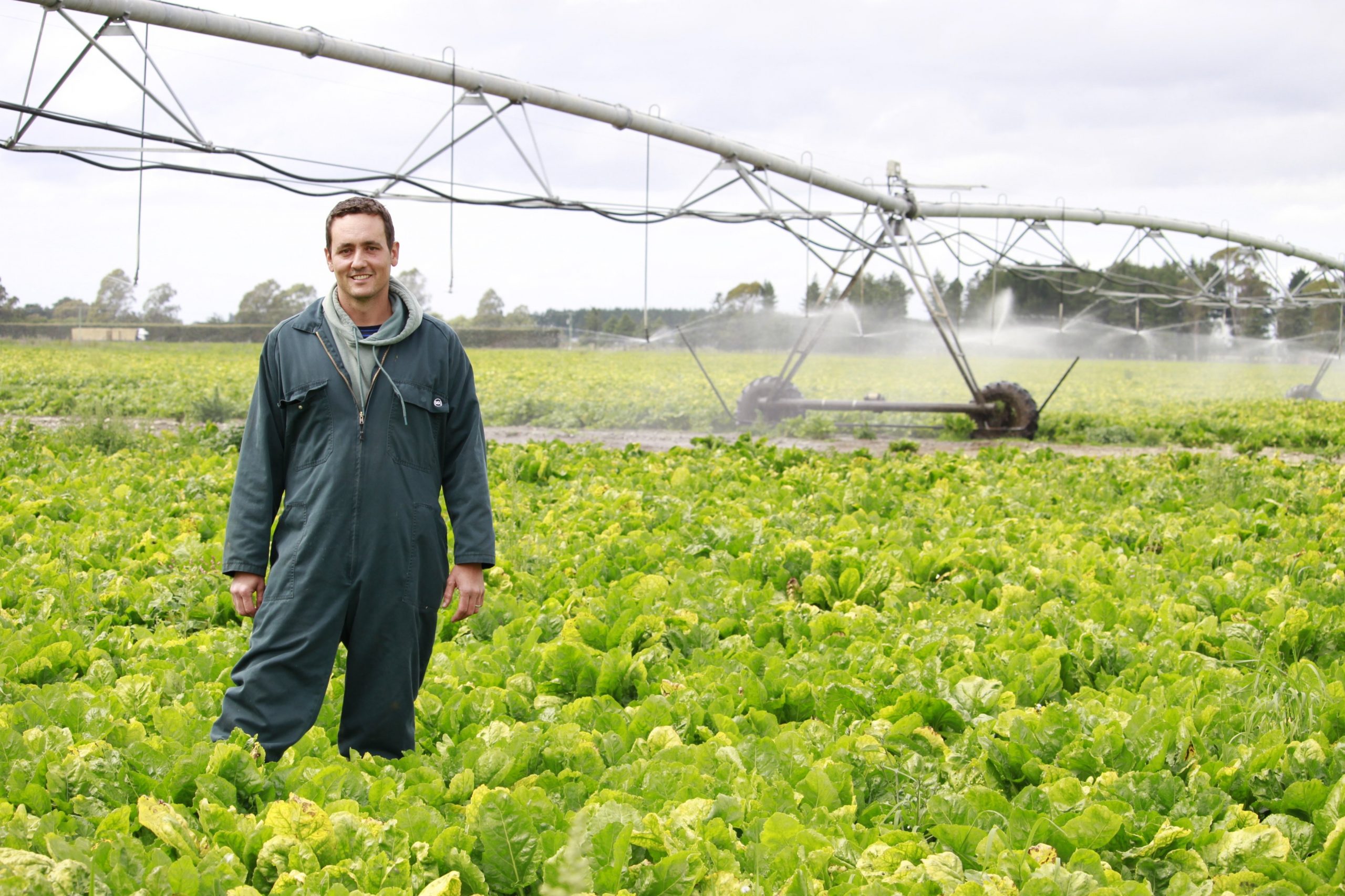
Contract milker Felipe Telles said it was soon after he noticed gulls arriving in the freshly-sown paddock that two of his young children ran back with some exciting news – the birds were sitting on nests.
He and his wife Noreen did some research, learning it was illegal to disturb nesting populations due to the gull’s endangered status.
Not that they had been planning on disturbing the birds anyway.
‘‘To be honest, we didn’t know much about them. We just thought they were going to nest there and thought we would leave them alone. They were just doing their thing,’’ Telles said.
‘‘We thought it would be no harm to let them stay.’’
Telles believed the birds had arrived from the nearby Ashburton River after a flood event.
They had seemed to like the stony paddock, and feel safe on the farm, with no cats, dogs or other predators due to trapping.
He had got hold of Environment Canterbury (Ecan) to let them know about the birds being there, after reading an online article about how the regional council was trying to find where populations were nesting this season.
Impressed Ecan staff then visited to witness the spectacle of a large group of the world’s rarest gull nesting in the middle of a paddock of winter feed.
After the gulls moved from the paddock last month, many stayed on farm, hanging around a nearby dairy track and milking shed.
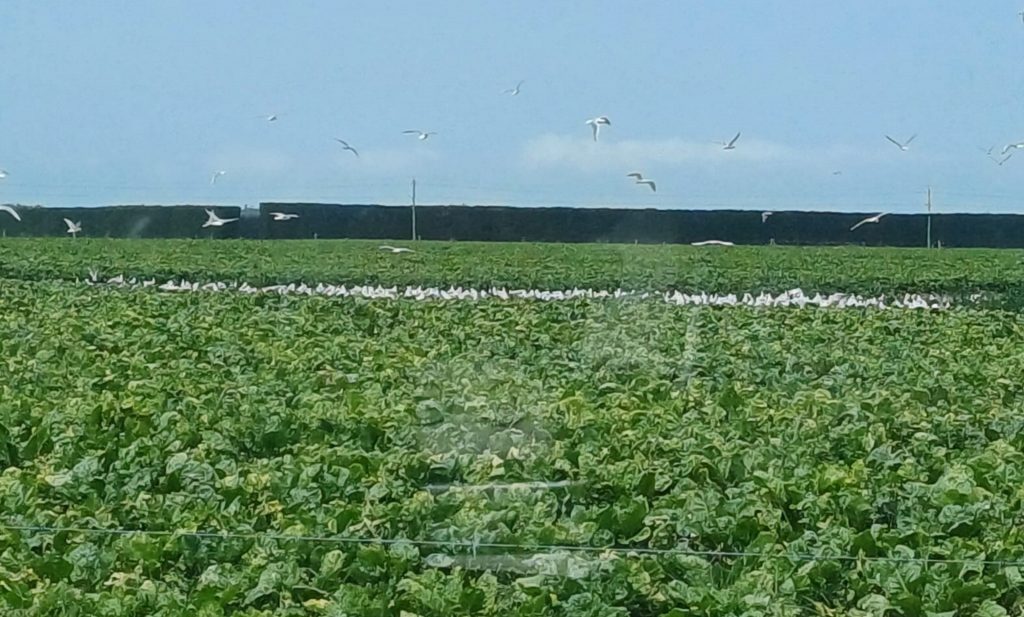
While the birds co-existed peacefully with cows on the dairy track, moving out of the way each milking time for the cows to walk on by, they had caused a nuisance around the milking shed, congregating on the roof.
It was time to put up a hawk kite, scaring them away from that particular site.
There had been another minor cost, the half-hectare section where the gulls nested is bare, accounting for a loss of more than $2000 in winter feed.
Nevertheless, Telles said he and his family enjoyed having the birds there. They had been of endless fascination for his three oldest children, aged three to seven.
The children had talked non-stop about the winged creatures ever since they arrived.
‘‘They are interested in birds and animals in general, we have never had this many birds on the farm before, they found it interesting.’’