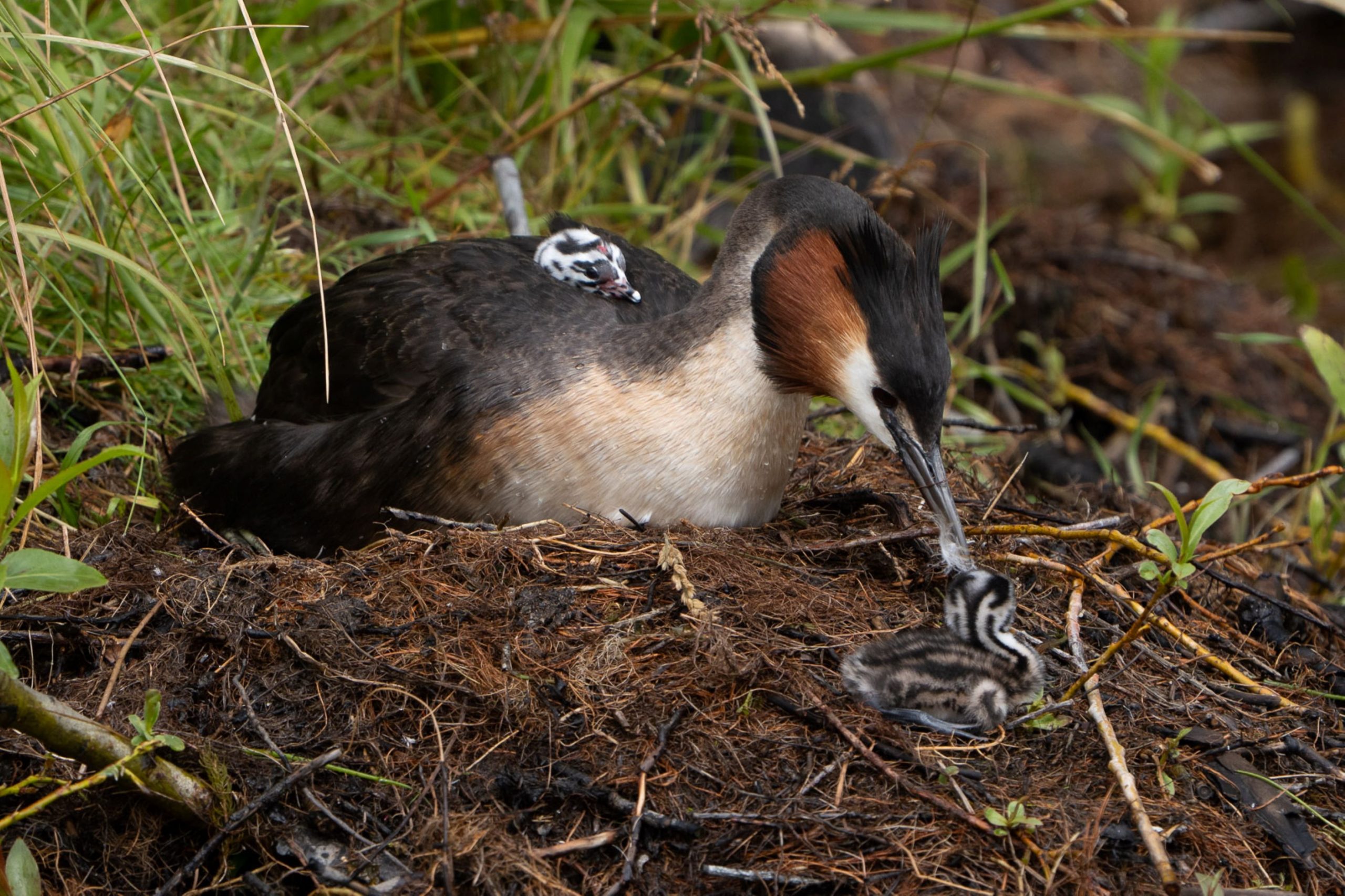
While photographing puteketeke, the Australasian crested grebe, Ashburton’s Gaynor Hurst came upon a murder scene.
Her disturbing images hit headlines nationwide.
She was at Lake Alexandrina (Whakatukumoana) with her 12-year-old grandson Dustin and a friend about two weeks ago.
Hurst said they were standing on a bridge when Dustin said ‘‘Nan, look, that duck has a chick’’.
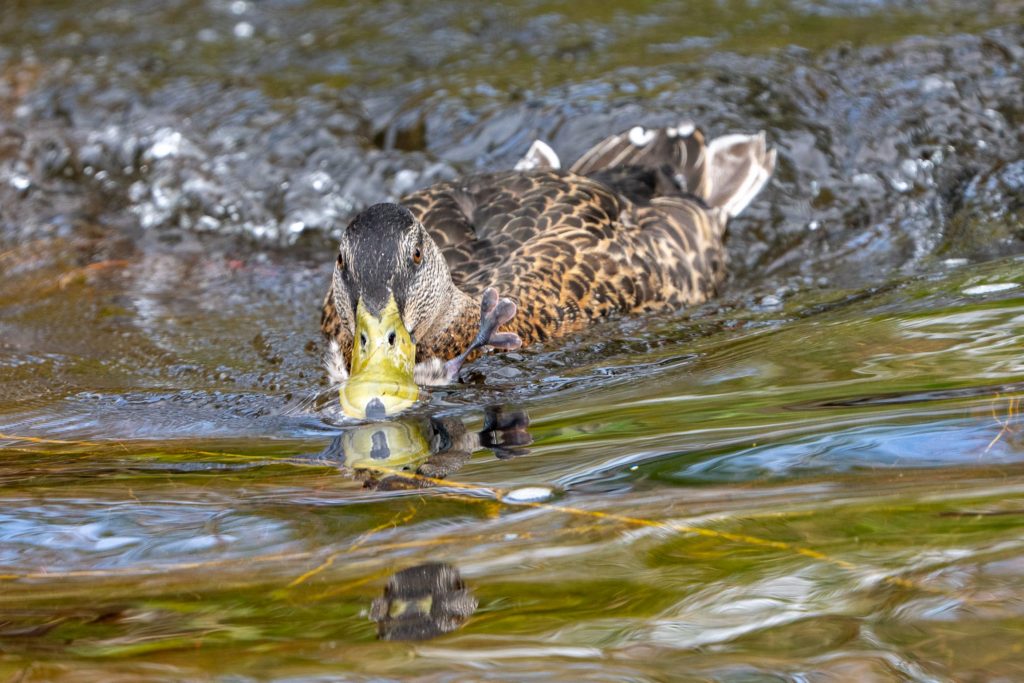
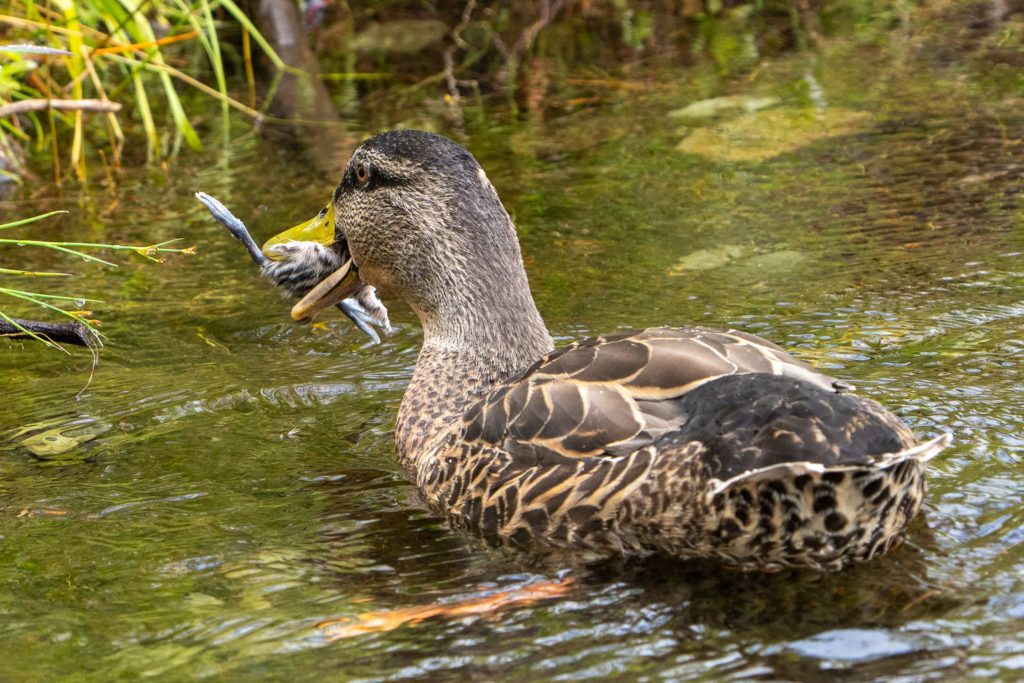
‘‘At first we thought he meant the duck had a chick of its own. We suddenly realised it actually had a baby grebe which it was eating,’’ Hurst said.
‘‘We watched as the mallard ducks were taking chicks, killing and eating them.
‘‘It was awful, I was astounded and horrified by what we were seeing. Dustin was quite upset by it all,’’ Hurst said.
The next day they returned to see it happening again, this time a duck grabbing a chick off its nest, before appearing to drown and eat it.
‘‘One minute we are watching a wee family, of mum and dad feeding feathers to two chicks, and the next minute a chick is snatched and killed,’’ Hurst said.
Some of the grebes with chicks on their backs were swimming out into the lake in a bid to save their young.
Hurst said they spoke to folk at camping grounds at the lake. One of them reported it to a lady who contacted the Department of Conversation.
‘‘Within half an hour of DOC being informed, they were on the scene looking at my photos,’’ Hurst said.
DOC staff caught the three offending ducks with nets and removed them from the site and humanely euthanised them.
Hurst was back at the lake last weekend and said there was another duck repeating the behaviour.
RNZ reported DOC principal biodiversity ranger Dean Nelson saying they were horrified to see graphic photos of puteketeke chicks being eaten alive, knowing how unusual it was for ducks to prey on other birds.
“Mallard ducks usually eat plant material, with a little bit of protein from insects and snails during the breeding season.
“It was shocking to see them eating puteketeke chicks. We went out there straight away and I observed three mallard ducks in the outlet creek where the grebe nests are.
“They were actively scoping out the puteketeke nests to see if they had chicks,’’ Nelson said.
“The adult puteketeke didn’t see the danger as they don’t perceive the ducks as a threat,” Nelson said.
This duck behaviour was unknown to DOC experts, and there was a concern that it would spread, as ducks learned from each other, Nelson said.
“This is a great example of people taking action for nature and looking out for our vulnerable species,” he said.
Puteketeke became famous in 2023 when the species was named Forest & Bird’s Bird of the Century.
– Anyone who sees sick, injured or at-risk native wildlife can ring DOC, 0800 362 468.