
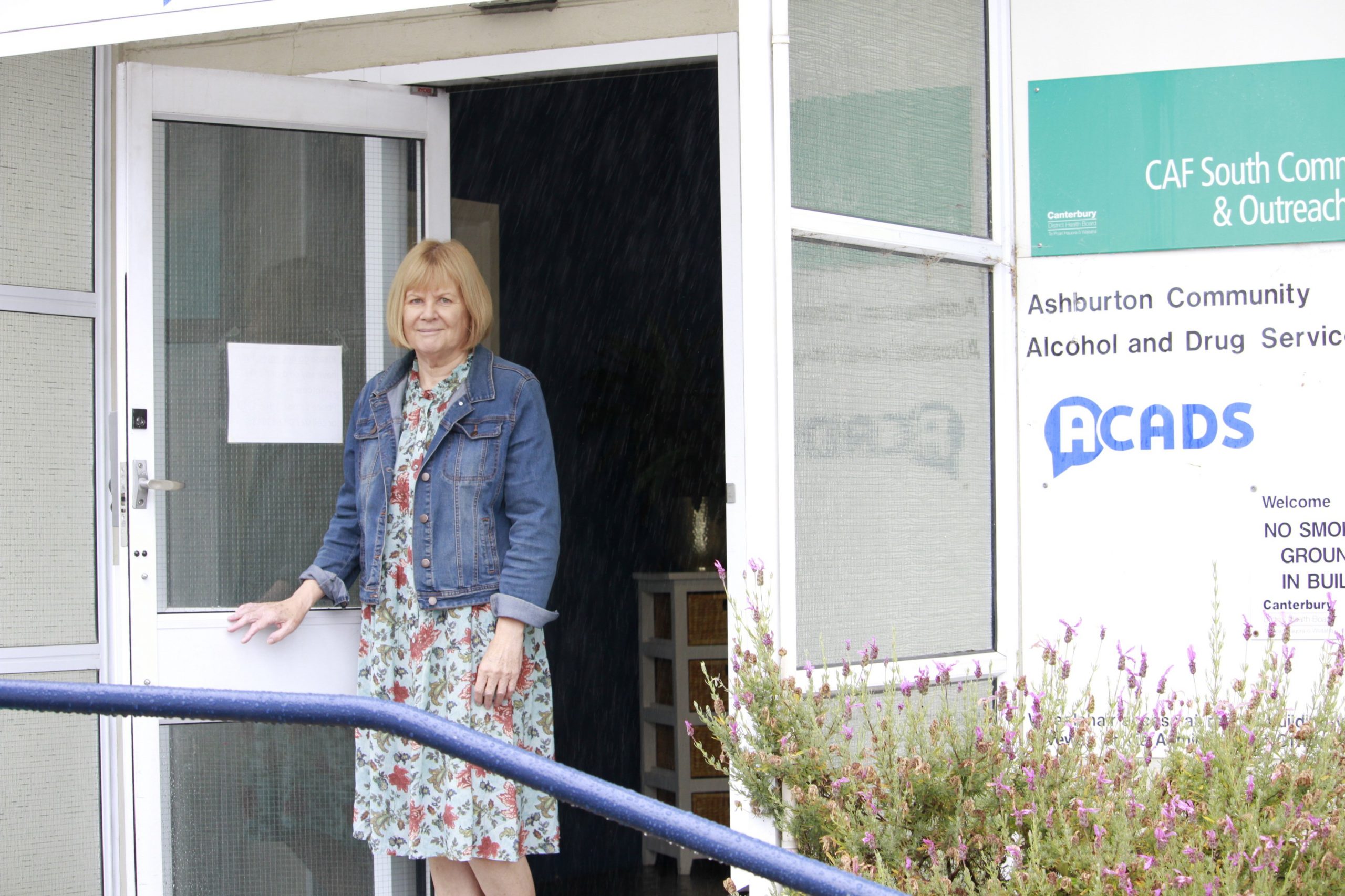
At the age of 65, Ashburton Community Alcohol and Drug Services chief executive Chris Clark is retiring.
‘‘It’s gone really fast, I have to say,’’ said Clark of the career she began at the organisation 34 years ago.
Employed as a health promoter, she had been involved for the three years prior as a founding member.
‘‘Hard work, but rewarding,’’ was how she described all those years.
Her passion grew from herself witnessing the harm that could come from substance abuse in her own family and community.
Highlights included being on a national alcohol public health working group, which brought together training and consistency for alcohol health promoters around the country.
Then there was bringing consistency to liquor licensing aspects of public health. For example, helping Ashburton become one of the first towns to have its district council introduce a Local Alcohol Policy.
The policies are designed to regulate the sale, supply and consumption of alcohol, by setting rules for licensing.
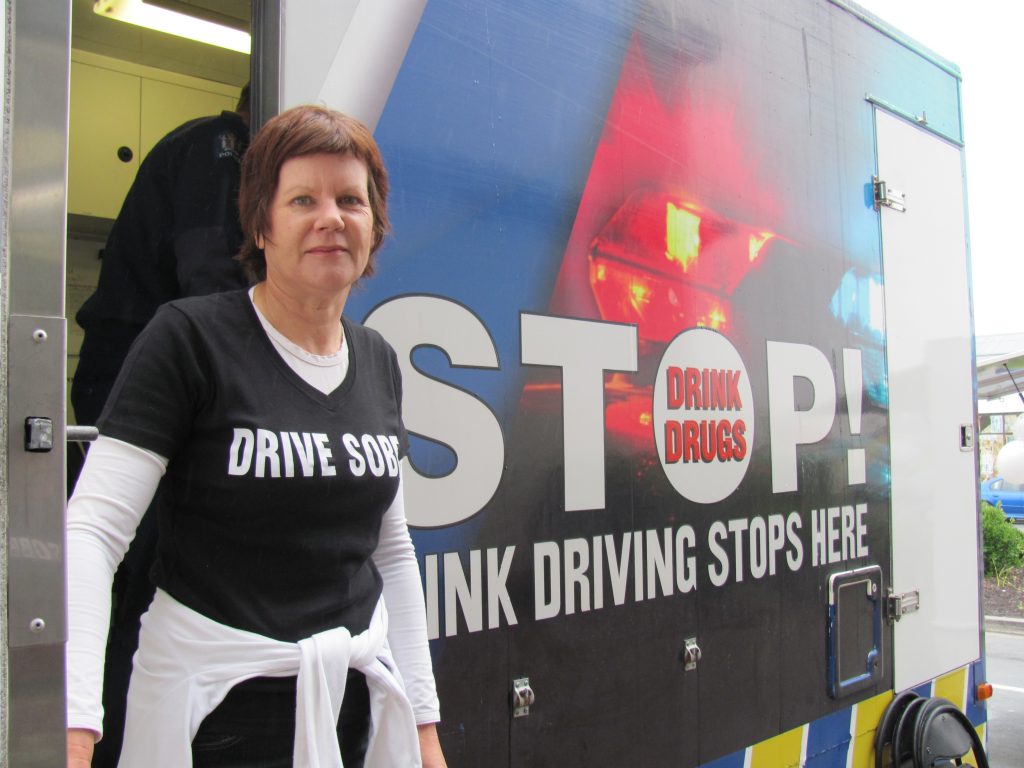
In her early years at ACADS, she battled alongside another public health promoter in the town, Jackie Girvan, to raise awareness of drink driving.
‘‘I think we were known as the wowzer twins back then,’’ Clark said.
‘‘There was a lot of alcohol-related crashes, it was prevalent then, the attitudes were way different than they are now.’’
Another big part of ACADS’ work was helping organise supervised annual after-ball events for Ashburton College and Mount Hutt College students.
Beginning in the 1990s, the afterballs had a drink limit, provided food and water, and students were not allowed to leave unless they had transport arranged.
They stopped in 2016 after police referred to a court decision and told principals the events were illegal.
‘‘That was really disappointing, because it was a great way of involving parents and showing what you needed to do,’’ Clark said.
‘‘It worked well, and it kept students safe on that very high-risk night.’’
One thing she was pleased to report, however, was that risky drinking behaviour among youth had lessened.
‘‘Attitudes around drinking have changed,’’ she said.
But at the same time there had been an increase in mental health issues among youth.
‘‘To a certain degree it was certainly always there, but less talked about probably, whereas now people aren’t afraid to talk about it.
‘‘Social media has a lot to answer for, the world is now at your door step.
‘‘There’s lots of ways people can access help,’’ she said.

One of the ways was at ACADS itself, where there are youth mental health counselling services.
Like all other counselling services at the organisation, they are free.
People can either be referred, or refer themselves.
ACADS’ clinical team of six full-time equivalent counsellors are funded by Te Whatu Ora, as is a health promotor.
A community connector position is funded by Trevor Wilson Charitable Trust, while equipment and other basics are funded by community grants.
‘‘One thing that has never stopped is trying to find funding for services,’’ Clark said.
She was glad to have worked with great teams over the years, including colleagues and members of the ACADS board.
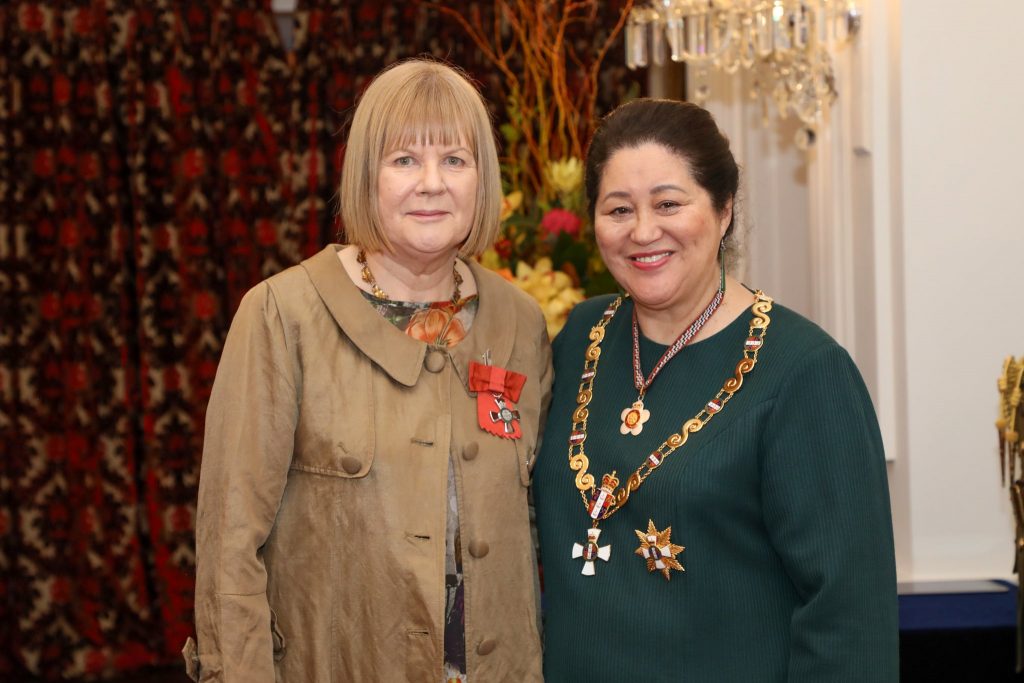
In 2024 Clark was named a Member of the New Zealand Order of Merit in the King’s Birthday Honours, for services to alcohol and drug harm reduction.
She said she was not sad to be leaving, saying of 34 years ‘‘that’s quite enough’’.
Rather she was looking forward to pottering in her garden, spending more time with her six grandchildren, and travelling.
The latter may see her fulfil a dream to visit a chateau in France, dining on bread and cheese, paired with a crisp glass of white from one of the country’s vineyards.