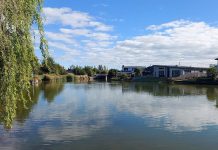
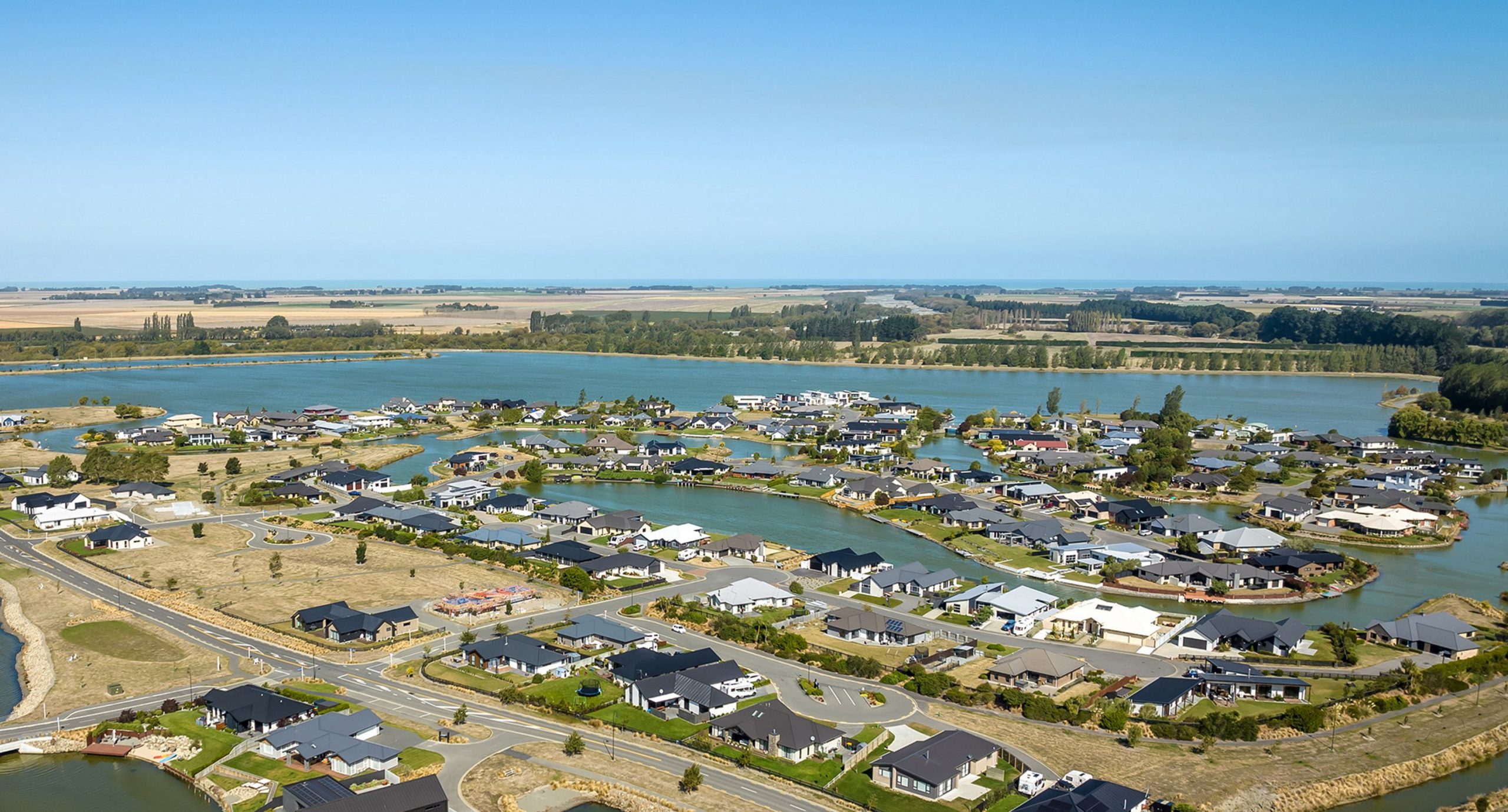
The future of algae plagued Lake Hood needs a deeper conversation with the community, Ashburton Deputy Mayor Richard Wilson says.
Councillors are proposing to hire a Lake Hood operations manager, as part of the draft annual plan, which would sink more money into the manmade lake.
An algal bloom health warning was placed on the recreational lake on January 10, for the fourth straight summer, after potentially toxic bluegreen algae (planktonic cyanobacteria) was found in the lake.
Past investigations have found fundamental issues with how Lake Hood was designed, with a council staffer describing the cost of fixing the problems as ‘‘astronomical’’.
The council wants to hire a lake manager to be in charge of on-theground running of Lake Hood, as well as beginning to prepare consents for renewal in 2031.
Wilson told his fellow councillors during a budget workshop last week that they needed to address the elephant in the room before reaching the consent stage, “which could cost $5-7 million”.
“How that’s going to be funded, and if the community want to fund that going forward,” Wilson said.
Bringing on a manager was “the very tip of the iceberg”.
“It will limp us along to the longterm plan, where we need a wider community discussion around if we’re going to fund the millions it takes to do the lake.”
The operations manager will be like an ‘‘exploratory dig for the next 12 months’’ to see what the council needed for the long-term plan.
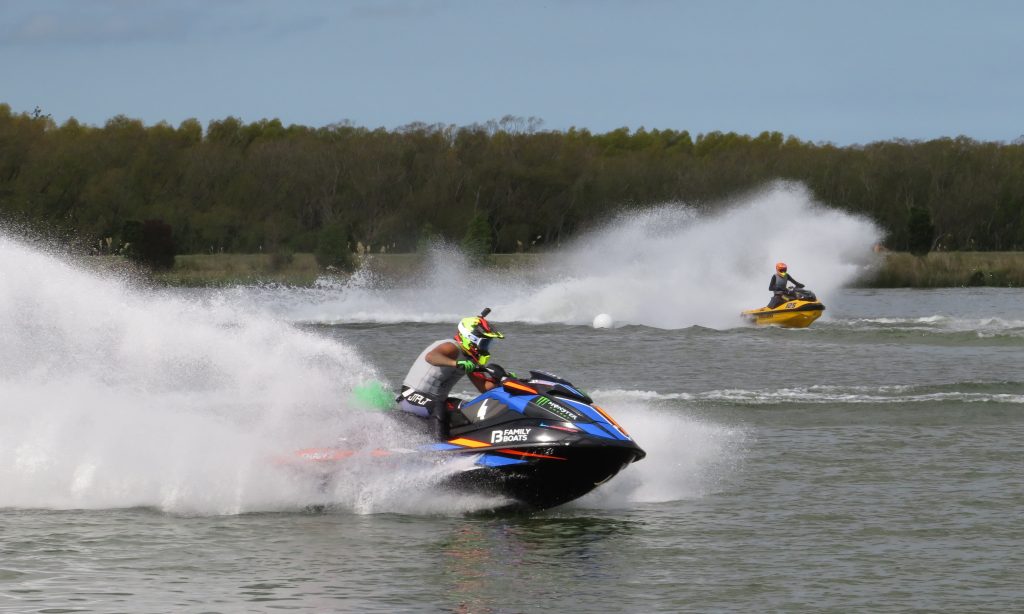
He said the problem isn’t just managing the lake, but also rebuilding it.
“We’ve been given a liability to the council of the future, because the numbers they talked about were in the millions to try and sort it out.
“Our problem is if we do nothing, it just stays green.
“That’s one option. If you’re going to do nothing, do nothing, but that’s really not an option because the community want the lake.
“So we have to do something”
At the budget workshop, council legal and democracy group manager Tania Paddock said a 2024 report reviewing the lake highlighted “fundamental issues with how Lake Hood was designed and how it was developed”.
The report provided some cost estimates to address the issues, which are more than just water quality.
“They’re astronomical,” Paddock said.
“It’s between $2-$7 million per year to spend if you actually wanted to resolve all of those issues. That level of funding is completely unrealistic.”
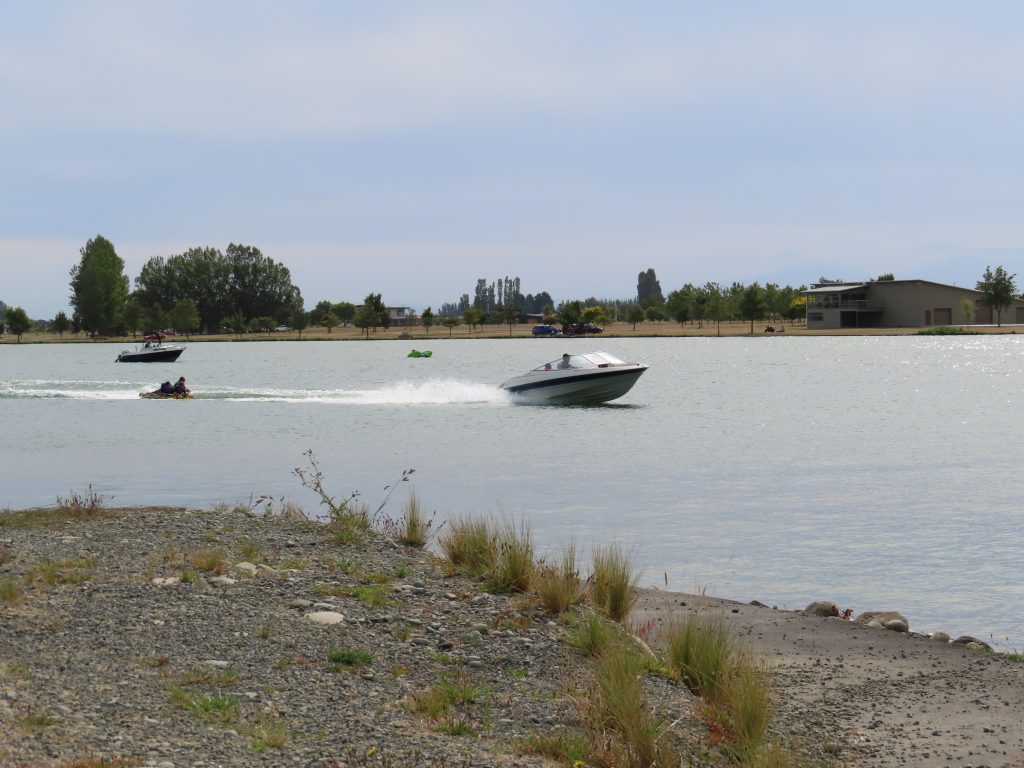
Hydrodynamic modelling, algal bloom deterrent trial and a research study will all feed into a management plan that will also consider infrastructure upgrades, such as a second outlet, she said.
It will as have to factor in planning how the council’s 365 hectares of land associated with, and including, the lake continues to develop.
“There’s a lot of complicated issues there to work through,” Paddock said.
“With the current resourcing, that work, to be frank, it just won’t get done.”
Council is proposing in the annual plan to bring on a Lake Hood operations manager.
“It has to be a staff member. It can’t be a consultant.
“It has to be someone who’s day-today, on the ground at the lake or in the office, actually doing the work.”
Paddock admitted it’s a multifaceted role covering operational oversight, environmental management, and compliance monitoring.
“Ask for a unicorn, see what you get”.
Councillor Russell Ellis said the council have a significant financial investment in the lake and the land surrounding it.
“As much as I probably don’t like it, I think we probably do need to do this.”
Councillors supported the new role going in the draft, but debated whether it was a fixed term role, which chief executive Hamish Riach warned could make recruitment harder.
The majority supported the role being an “ongoing position” and it will be included in the draft annual plan for up to $150,000 in additional operational funding.
The council’s budget workshops have shown the operational expenditure for Lake Hood is around $1.1m, which includes the ACL management contract and weed harvesting ($680,355), insurance, security, and other costs.
Lake Hood’s linger health warning
Environment Canterbury recorded cyanobacteria levels of 10 mm3/L at the water ski lane, triggering the warning, in January.
Levels doubled to 20 mm3/L a week later before dropping to 0.01 mm3/L on January 29 and 1 mm3/L on February 4.
The warning can only be lifted after two consecutive results below 0.5 mm3/L.