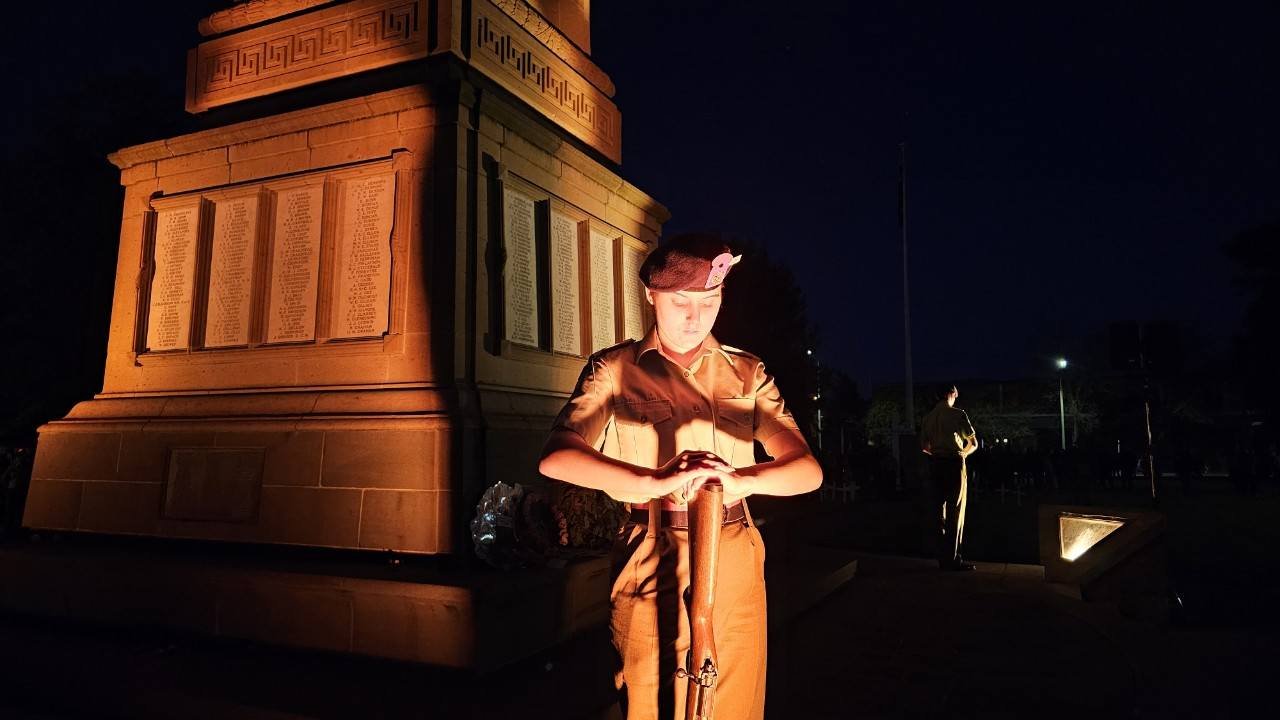
The passing of the Anzac Day Amendment Bill last month will change little for Ashburton veterans Swampy Marshall and Reuben Darrell.
Marshall who served at Afghanistan in the New Zealand Army, and Darrell who served in Timor Leste, Afghanistan, Iraq and the Solomon Islands with the Royal New Zealand Air Force, both feel they have always been included on Anzac Day.
The legislation formally recognised all those who had served New Zealand in times of war as part of its Anzac Day commemoration.
It amended the Anzac Day Act 1966 to cover other conflicts and persons who have served New Zealand in time of war or in warlike conflicts in the past and in the future not presently covered by the Act.
Darrell said he saw the changes as a reflection of modern practice rather than a departure from tradition.
‘‘Conflicts beyond the world wars are already acknowledged at Anzac services and similar commemorations,’’ he said.
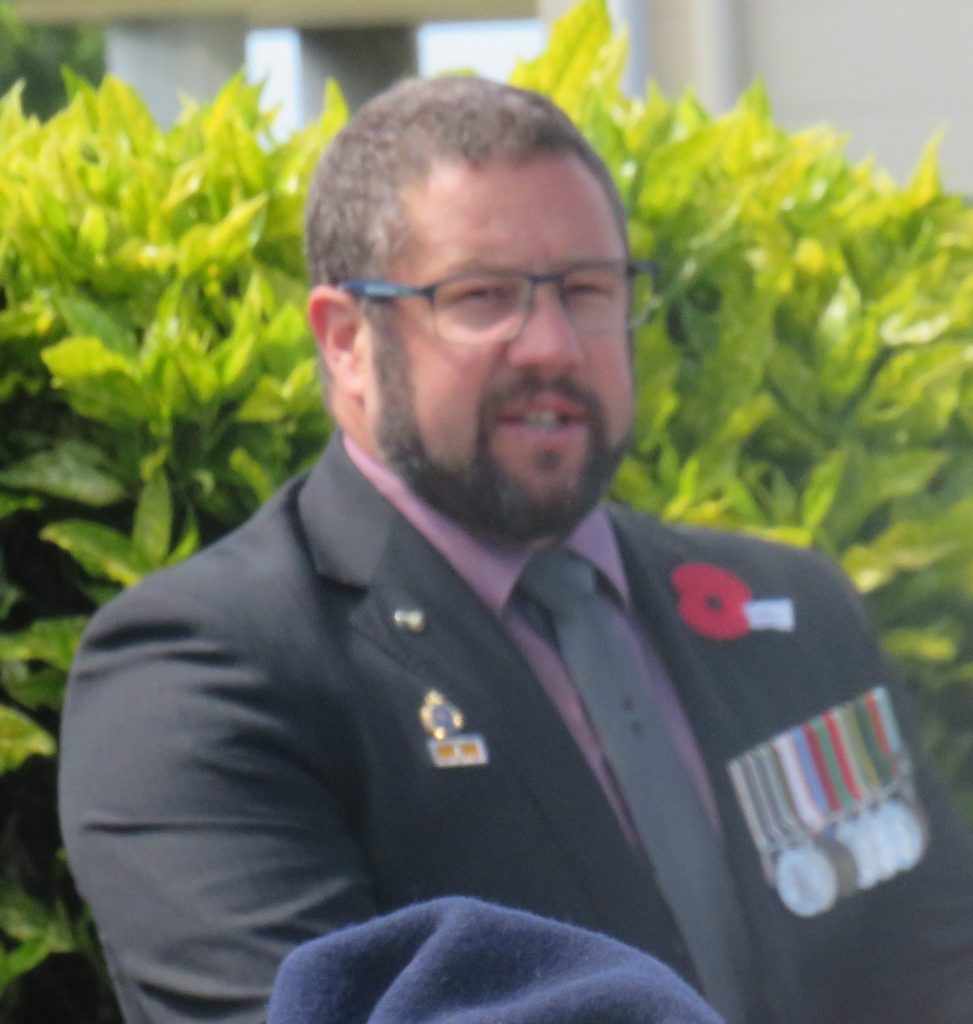
‘‘The RSA’s I have been involved with in recent years have been inclusive, supportive, and welcoming of all veterans.
‘‘In that sense, these changes simply formalise attitudes and practices that are already widely accepted, bringing official policy into line with current realities.’’
The changes did not include those serving who did not deploy to war or war-like conflicts.
Marshall said it was a complex situation with deployed and non deployed and the different recognition afforded them.
‘‘I volunteered for Afghanistan. I know guys who served alongside me who throughout their 20 years with the army didn’t deploy, never left New Zealand so as they were non operational they aren’t recognised with this new bill,’’ Marshall said.
He was with the former Papanui RSA where he said contemporary veterans were acknowledged on Anzac Day.
Canterbury District RSA president Michelle Brown said changes to the Anzac Day Act were extremely important to Royal New Zealand Returned Service Association and all veterans.
‘‘Recognising all conflicts, not just those from Vietnam War and prior, means all veterans will hopefully no longer feel invisible. We hope that all those who have attested and served in the New Zealand Defence Force will feel seen, listened to, and valued,’’ Brown said.

‘‘RNZRSA is hopeful the changes to the Anzac Day Act will encourage more veterans of recent operations to wear their medals proudly and join us on our parades instead of watching from the crowd, or worse.
“Feeling they can’t attend because they’re not seen as a veteran. We’re hoping the change in legislation will address that for them.
‘‘A great start but …. with recognition comes responsibility. Now let’s support them all. We would like to see improvement to accessibility and quality of support available to all New Zealand’s veterans,’’ Brown said.
Veterans Minister, Chris Penk, a navy veteran, said the amendment to the Anzac Day Act recognises those who have served New Zealand in times of war or in war like operations.
‘‘This includes members of the New Zealand Defence Force, as well as essential supporting personnel such as civilian medical teams and the Merchant Navy. Prior to this change, the Anzac Day Act failed to acknowledge conflicts after 1966, making the Vietnam War the last eligible deployment.
“I am very pleased to see Anzac Day become a more inclusive day of remembrance, one that better reflects who New Zealanders honour and why. It ensures that contemporary veterans and those who have served alongside them can see themselves recognised in this day.
‘‘I certainly know a few in that category. I look forward to standing with New Zealanders this Anzac Day, knowing that more veterans and their families will feel that this day is truly theirs, alongside those who served in earlier generations,’’ Penk said.