A recent incident involving an Ashburton student being hit by a car has raised concerns about traffic once the town’s second bridge opens.
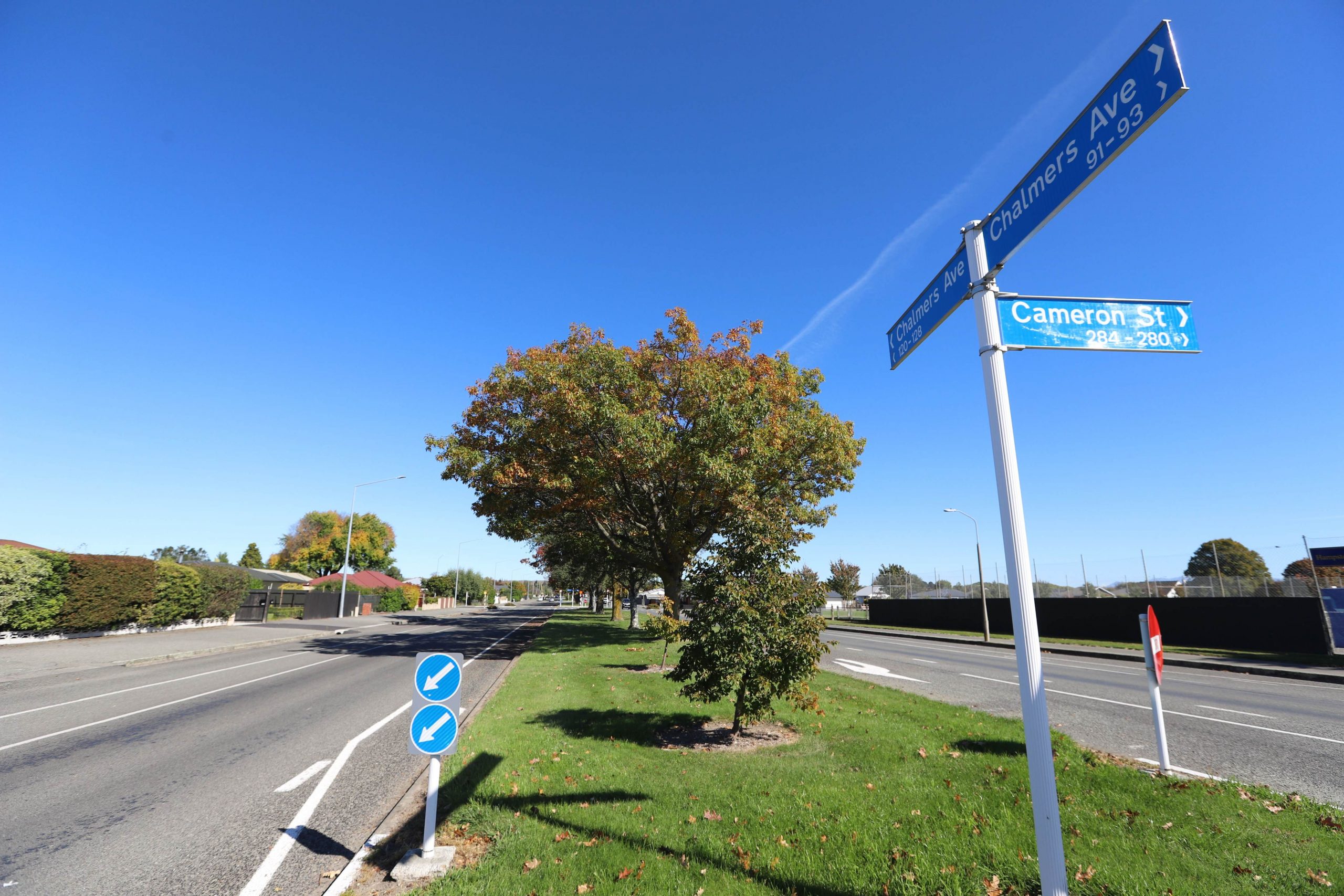
The Hampstead School pupil was hit near the busy intersection of Chalmers Ave and Havelock Street around 3.15pm on March 4.
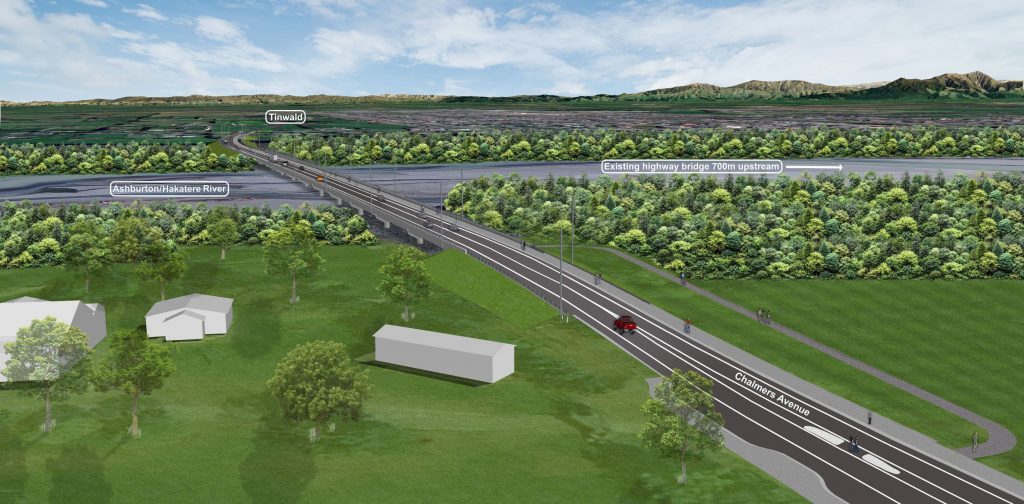
The incident was a hot topic on social media with traffic is expected to increase when a new bridge is built, connecting to the southern end of Chalmers Ave.
Hampstead School acting principal Lois Eaton said while the school recognised the potential benefits of the second bridge, they were concerned about the increased traffic flow along Chalmers Avenue.
“Particularly given its close proximity to our school.
“Many of our students cross this road daily to travel to and from school, and their safety must remain a top priority.
“We have had no discussion with the council on this matter.”
She suggested the council could consider installing traffic lights before the bridge, or at least flashing lights, to alert drivers to the pedestrian is crossings.
“Teachers at our school crossing reinforce the stop, look, and wait message to see if a car is going to stop while they are using it.
“Parents also need to reinforce this when they practise their route to and from school, and, depending on their age and stage, drop them over Chalmers Ave if needed.”
Ashburton Intermediate School is on Walnut Ave, the main connecting road back to SH1, and principal Brent Gray expects to see a rise in traffic around his school from the second bridge.
Gray said regardless of traffic volume, “the rules are the rules”.
“Vigilance from all parties is incredibly important when at intersections and road crossings.”
He said the school has not had any discussions with the council about the potential traffic increase.
Authorities say issues from any increase in traffic have been factored in to construction and will be monitored.
A misconception that has plagued the project is that the second bridge is a State Highway 1 bypass.
The project is designed to be an alternative crossing, aimed at taking the local traffic volumes off State Highway 1.
“The second bridge is for local traffic. Drivers will make their choice on which route to take,” Ashburton District Council’s infrastructure manager Neil McCann said.
McCann also said Chalmers Ave has 7,000 vehicles per day, and it would be monitored, “once the new bridge and road is constructed to see how it is being used by pedestrians, cyclists, and vehicles”.
NZ Transport Agency, the lead on the project, has carried out a safety audit to consider any safety implications, including for local roads connecting to the bridge.
“Pedestrian safety will be an important element in the design of approaches to the new bridge that NZTA is responsible for,” NZTA system design regional manager Rich Osborne said.
“We do expect there will be some migration of traffic from the existing SH1 bridge to the new bridge, but this shift in traffic from one part of Ashburton to another does not necessarily translate to increased risk for pedestrians or other road users.”
NZTA is working with the council, as a project partner, on all issues to do with the second bridge.
That includes safety implications, and what it means for local roads that the council manages, such as Chalmers Avenue.
The roundabouts on Chalmers Ave were upgraded last year to handle the increased traffic volumes and heavy traffic already using the road.
Construction imminent
Construction of Ashburton’s second bridge could begin in the next few weeks.
NZTA is funding the 360m-long bridge, while the Ashburton District Council will pay for a 1.3km connecting road from Carters Terrace to Grahams Road.
The council plans to include a $20 million loan in its 2026/27 annual plan for the road, a figure suggested by NZTA.
McCann, from Ashburton council, said NZTA are responsible for the design and delivery of the construction of the whole project.
“The council will have the final sign-off for the design for the new urban road.”
McCann confirmed that the name of the new road was still to be decided but it’s understood that construction could start by April.
McCann could only confirm the timeline for completion remained at the end of 2027.