Swampy Marshall of Ashburton was deployed to Afghanistan with the New Zealand Army in the 1990’s.
He was building trust, while blending-in.
Swampy was an engineer in the Royal New Zealand Army who travelled to places tourists did not visit.
His six month deployment in 1991 saw him working with Afghanistan refugees teaching them mine clearing.
The 74-year-old veteran spent 22 years in the army after joining in 1971 under compulsory national service.
He retired as a Warrant Officer Class 1 in 1993. Prior to his service he had worked on Mt Hutt Station and as a store man.
After the army he worked for Ashburton Contracting Ltd.
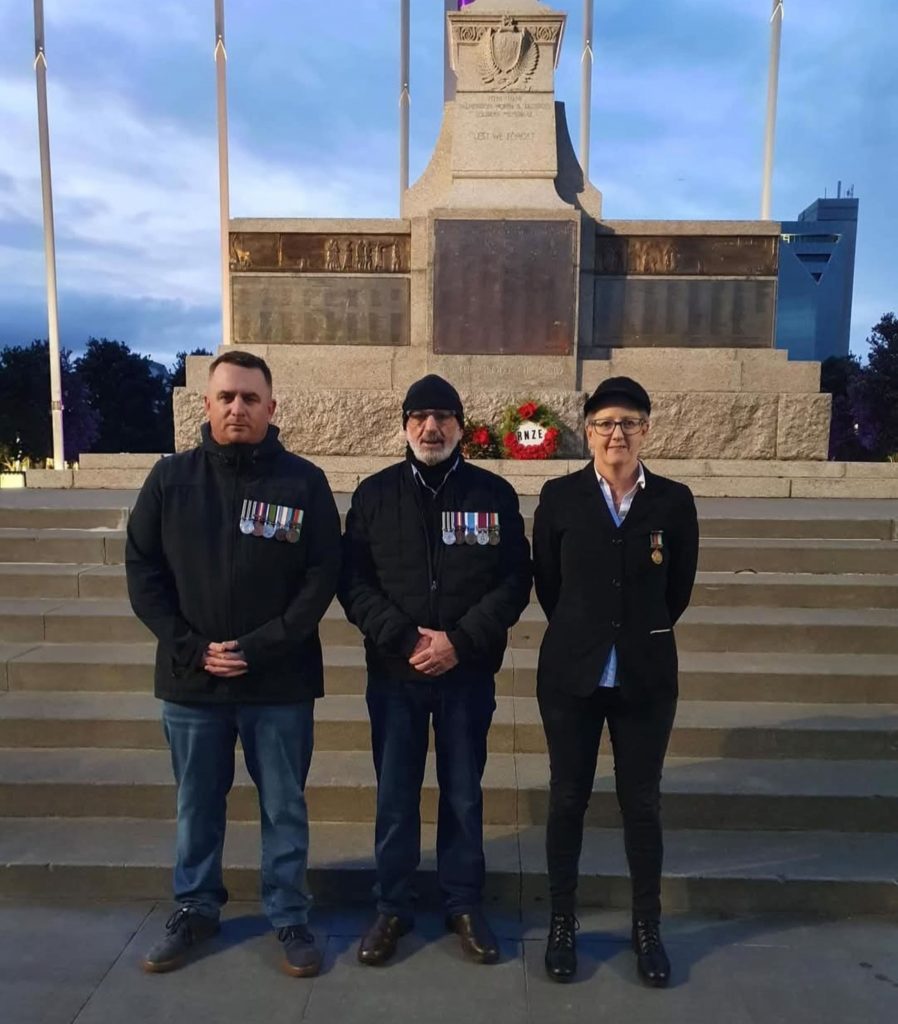
On Anzac Day this year, his service will, for the first time, be acknowledged officially following the Anzac Day Amendment Act 2026 passing into law.
He is not the only one in his family to serve.
He is proud that his eldest daughter and son have also donned the New Zealand Army uniform.
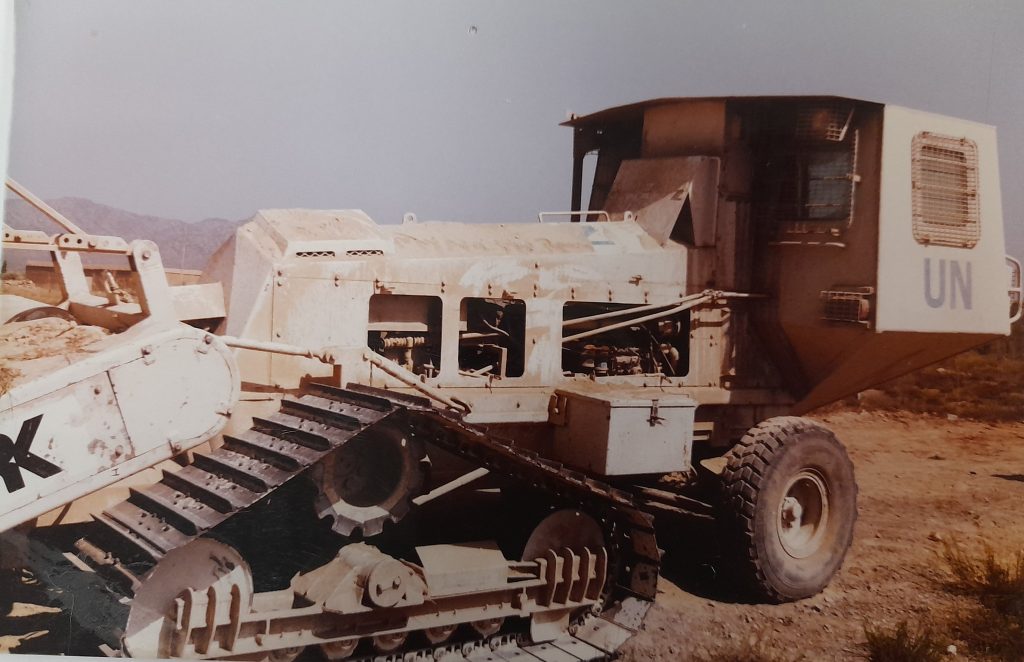
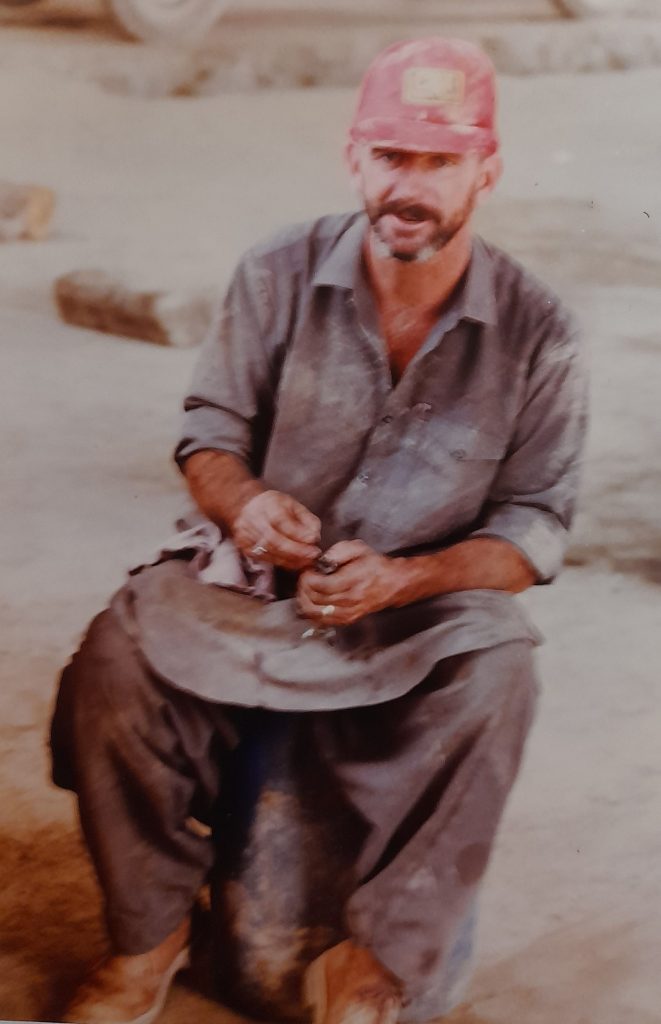
In his deployment, Swampy was part of the United Nations Mine Clearance Training Team.
‘‘It was an honour to deploy.
‘‘It felt great that all that training was finally going to be put to use,’’ he said.
He said it was important to blend-in and look like a local to keep safe.
‘‘Some of the other military we worked alongside wore uniforms, we wore the local (attire) and were given permissions to grow beards,’’ Swampy said.
He said trust between parties was significant.
‘‘Being able to look some one in the eye and give them a handshake was so important in building and maintaining trust,’’ Swampy said.
He said that soldiers finished what politicians start.
From the beginning of 1979, the Soviet Union had occupied Afghanistan.
During this time millions of land minds and unexploded ordinances had been laid across the country.
The work, training Afghan refugees in Pakistan to recognise and clear mines and ordnances, eventually expanded to include mine clearance activities in Afghanistan.
It was dangerous work and required awareness of surroundings and a good eye for detecting possible mines, he said.
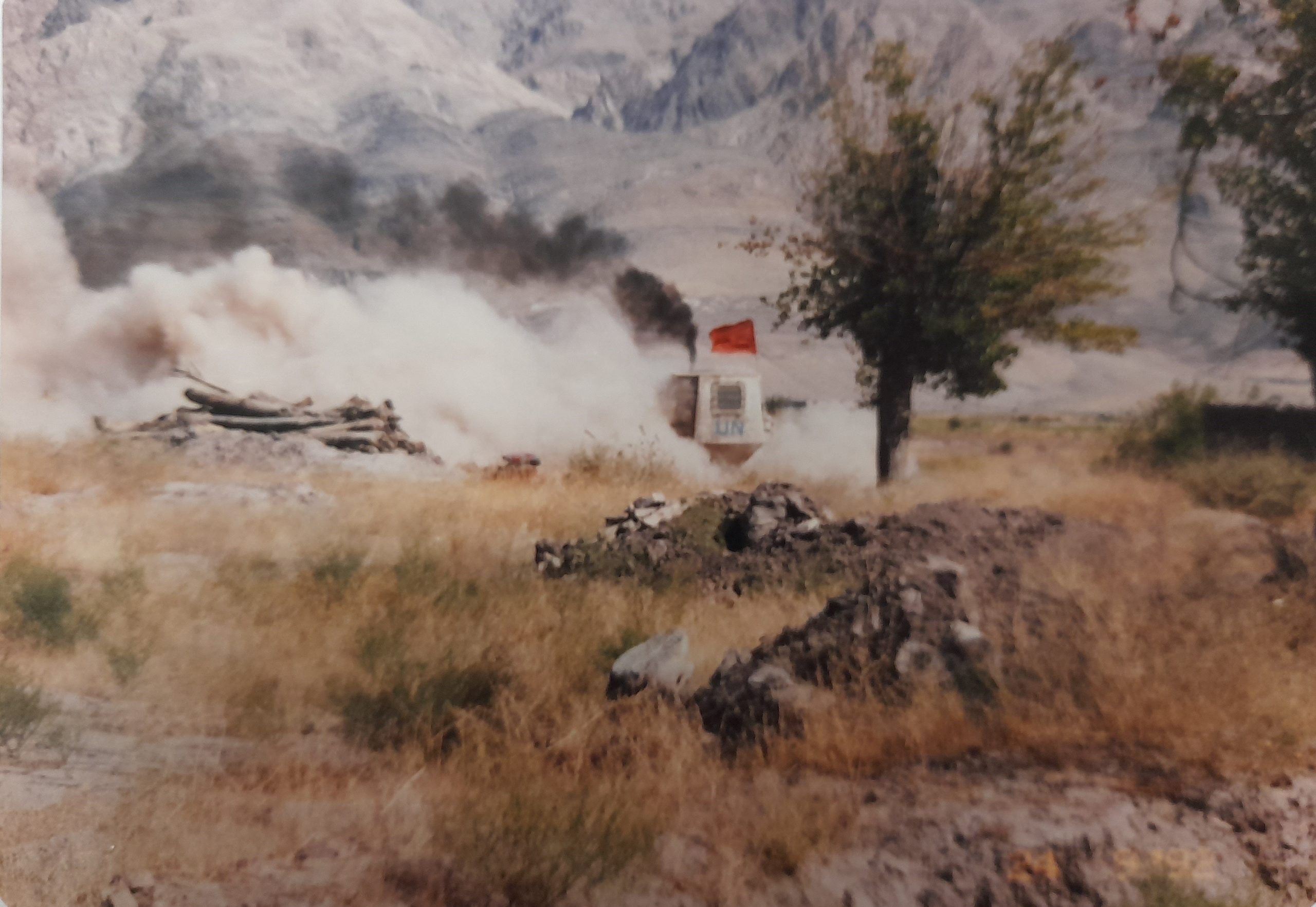
The machine used to clear many of the mines churned the soil and brought buried mines to the surface.
Dust was a big issue for the machines and workers to contend with, as well as the weather.
‘‘The weather went from freezing cold to stinking hot,’’ he said.
Kiwi ingenuity
A great mechanical knowledge saw Swampy adapt machinery using the No 8 wire mentality with limited resources they had.
‘‘I was very grateful for the training received in the army prior to deploying. We were trained by Vietnam veterans using their lived experience,’’ Swampy said.
It helped in the work.
‘‘We had to understand that cultural practices were very important for the Afghan people we worked with,” he said.
‘‘For instance we could be in the middle of a task and they needed to stop for prayers,’’ Swampy said.
Swampy did his duty with the army and then returned as a contractor and did another three years doing the same work.
His family lived with him for a few months but for their safety returned to New Zealand.
On top of ordinary training, was three to four weeks of pre-deployment training including things like first aid.
It was a multi-national deployment including United States, Australia, United Kingdom, and France.
‘‘We were there to support the Afghan people in in the Kiwi way,” Swampy said.
‘‘We went like those who have gone before us and come after us – with the Kiwi make-do attitude.’’
While deployed they commemorated Anzac Day at the Pakistan Staff College, attended by two Army Majors, one from Australian and one from Turkey.
It was “a great day, absolutely brilliant” which concluded with fish and chips,’’ Swampy said.