
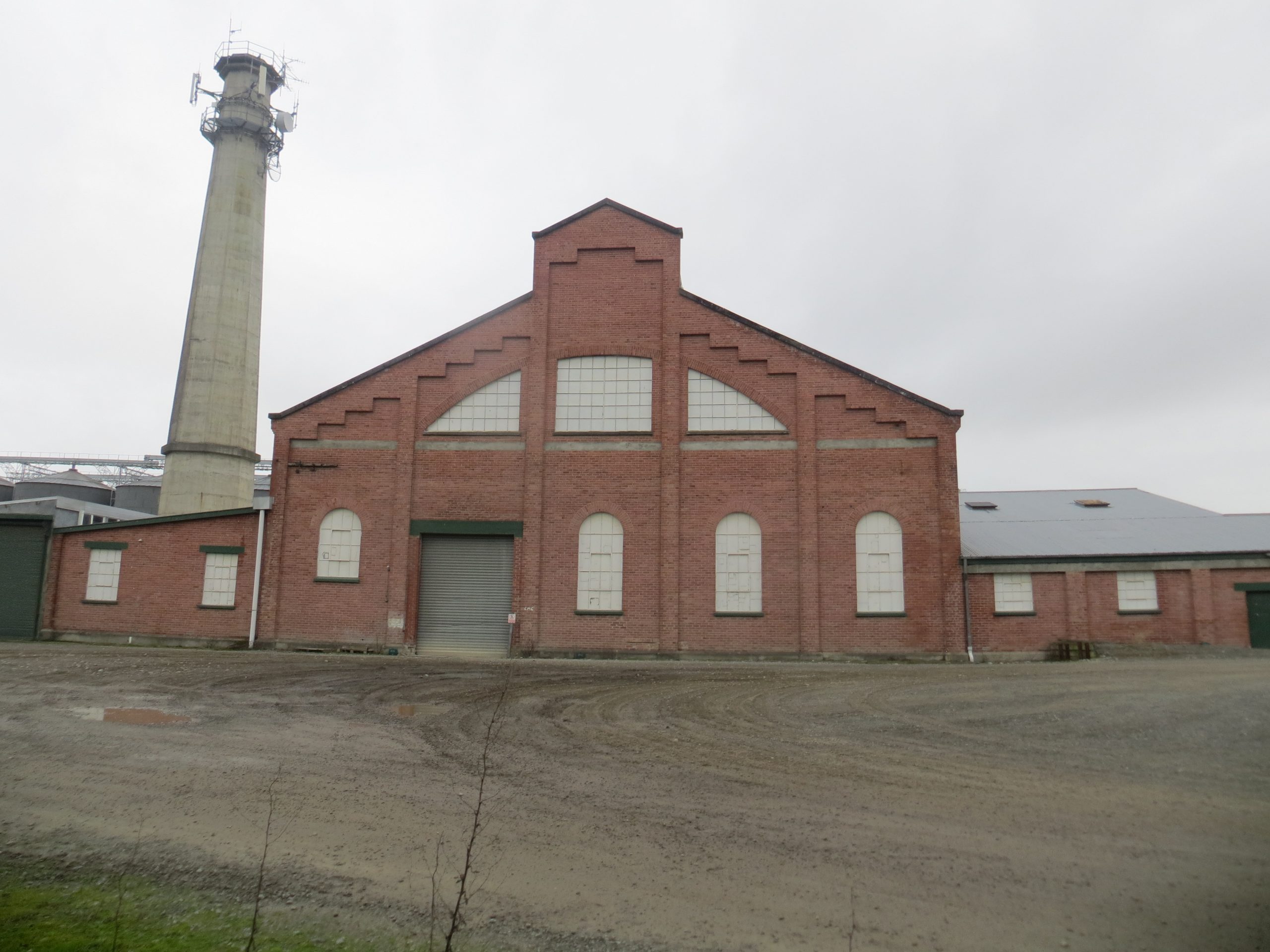
One of Ashburton’s landmark buildings is set to have its towering 38.4m chimney shortened to one-fifth its size.
The former Ashburton Glassworks is considered by historians as an outstanding feature in the Ashburton townscape.
Malteurop New Zealand Ltd has applied to the district council for resource consent for partial demolition, which would see the chimney dismantled to a lower collar, 7.5m from the ground.
The company said in its application that assessment showed seismic strengthening would be costly and difficult, while reducing the size would keep part of its history in tact.
The company has also applied to demolish two heritage buildings and under take seismic strengthening works at other buildings.
The two buildings proposed for demolition area timber shed with corrugated iron cladding, and a workshop and railway siding.
Included in the application is ‘‘the proposal is not to remove any of the main brick structures and instead, they are proposed for strengthening.’’
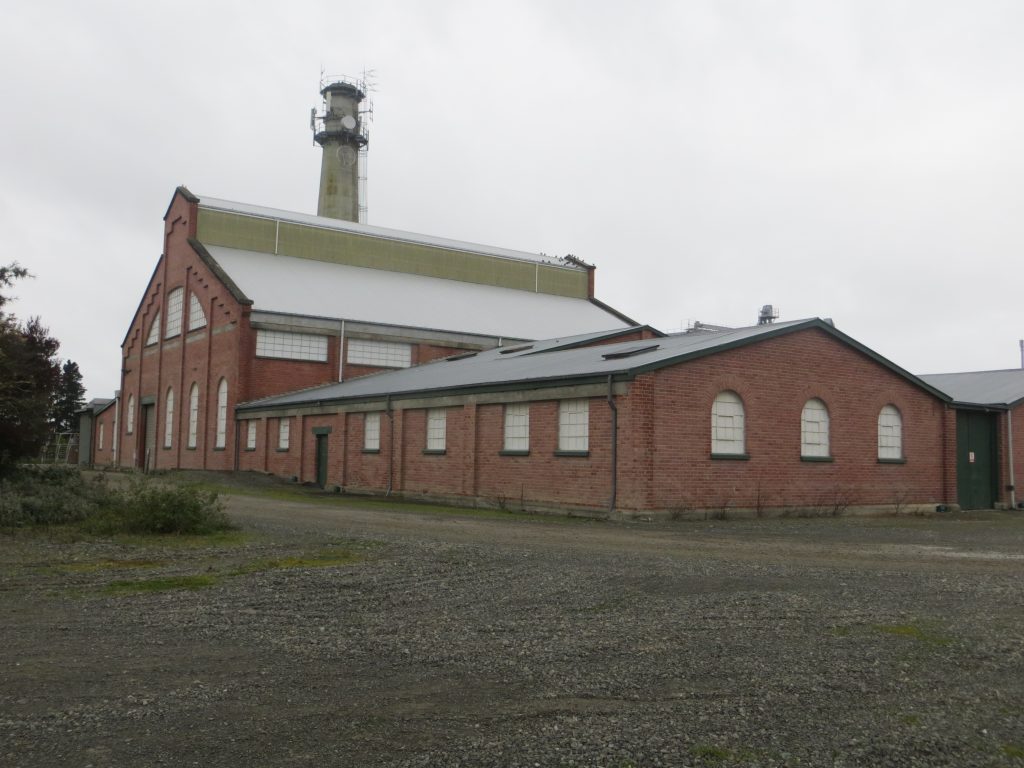
The former glassworks is testimony to a history of failed glass manufacturing companies from the 19th and 20th centuries.
It was in 1930 that the Southern Cross Glass Company began production from the building.
The Heritage New Zealand website records that production began with a spirit of high optimism.
‘‘With large deposits of the highest quality silica rich sand available from nearby Mt Somers and an estimated potential market for glass products in New Zealand valued at £700,000 a year, a group of businessmen led by William Tate of Christchurch saw their opportunity to establish a successful secondary industry.’’
However, Southern Cross faced a high expense as soon as it began, as special firebricks in the main furnace gave way, affecting plate and sheet glass production.
Then orders reduced with the onset of the Depression.
Within a few months the factory closed.
The buildings were used as a military training facility in World War 2, and have also been as a plywood factory and for grain storage.
Heritage New Zealand says the large double brick factory building is little altered in its external appearance.
‘‘With its high, steeply pitched roof crowned by a tall glazed clerestory, its symmetrically ordered facade, detailed brickwork and flanking 38.4 metre high chimney, the principal section of the building is the dominating feature of the factory complex.’’
Alongside resource consent for demolition and strengthening, Malteurop is seeking subdivision consent to subdivide two existing sites into three, and vest the third allotment as a road (corner splay).
Submissions on the applications close with the district council on February 20.