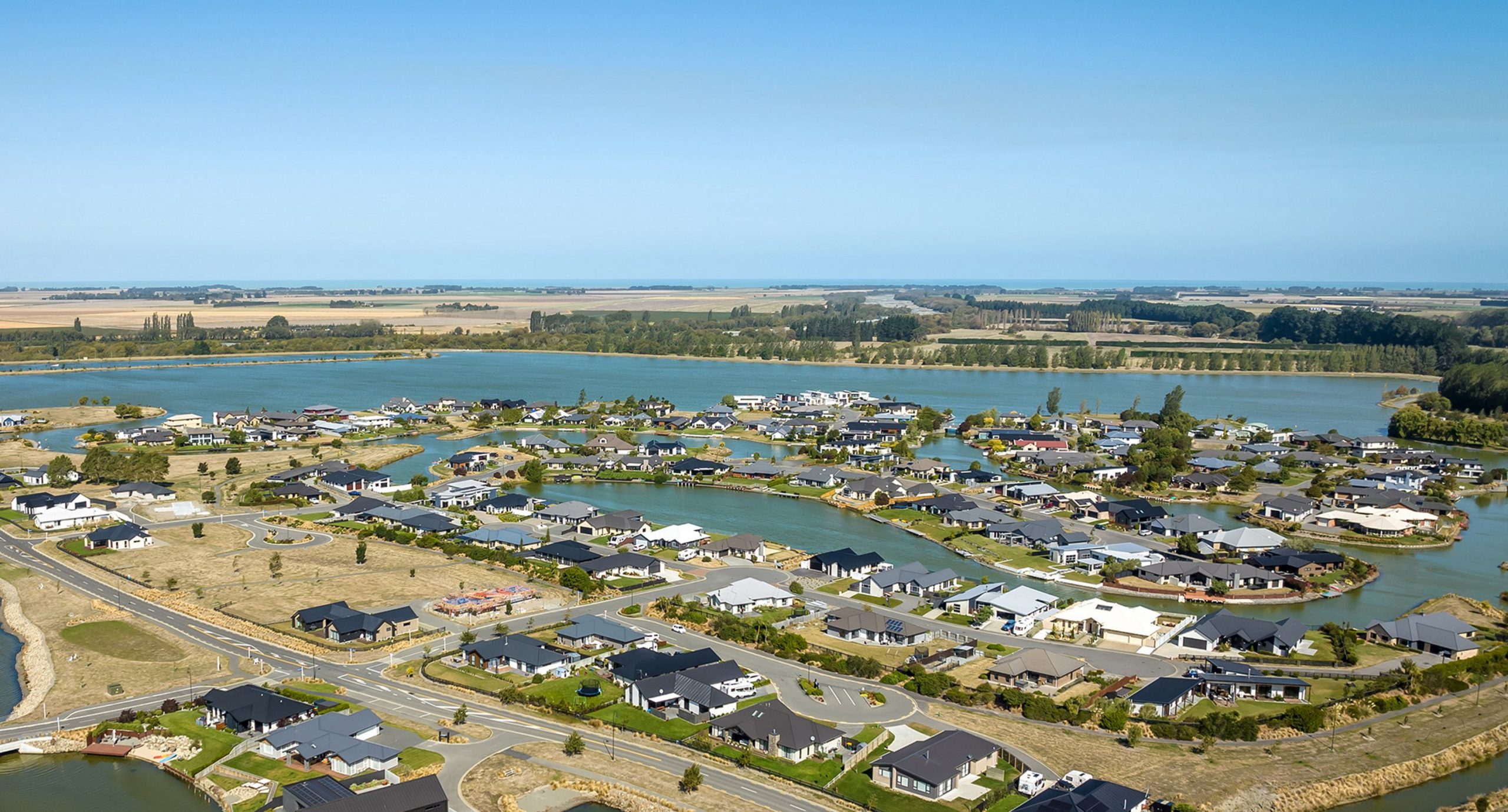
Ashburton’s deputy mayor is warning the district cannot afford to “stumble into” million-dollar decisions over Lake Hood, as ongoing algal blooms force a rethink on the lake’s future.
Richard Wilson said it was time for a “proper big council talk” about the man-made lake, warning the district cannot afford expensive potential fixes without a clear plan.
Councillors received an update on Lake Hood at an activity briefing on Wednesday last week, after a health warning was lifted.
Infrastructure group manager Neil McCann said a three-month research trial into the lake’s recurring algal blooms was past its halfway point, with a report on findings expected mid-year.
The district council has brought in leading cyanobacteria scientist Lincoln University-based Professor Susie Wood to lead research into solutions for the algae bloom problem.
McCann said the trial would produce recommendations on how to mitigate blooms in the short term, including options such as treatment products or sonic devices during summer.

However, longer-term solutions would likely rely on hydrodynamic modelling.
Survey work has been completed by Earth Sciences New Zealand (formerly NIWA), with modelling now being developed to analyse water circulation, flows, and nutrient loads in the lake, McCann said.
“It will give us a longer-term view of what we need to plan for in the future, where we will extend the lake, when we apply for new consents, it will be useful data to support all of that work.”
Wilson said there were a number of ‘‘red flags’’ around the potential cost.
“Apply for the consents, well there’s a couple of million (dollars).’’
Wilson asked how a potential solution could be funded and said the discussion should not become “tangled up” in the busy Long Term Plan process.
“The decision needs to be made. We can’t just stumble into a consent process.”
Chief executive Hamish Riach confirmed the issue would be addressed through the LTP.
“That sets the council budget and work programme for the next 10 years.”
In the 2026/27 annual plan the council is proposing to introduce a Lake Hood manager to start the consent renewal process ahead of 2031, Riach said.
McCann said they will be relying on the expert scientific advice when the research trial findings are released later this year.
“Until we have the facts and data, we don’t know.”
While the focus had shifted to longterm solutions, Riach had earlier said health warnings, which have frustrated many in the community, are outside of district council control.
The research trial has been affected by milder conditions this summer, with fewer algal blooms forming in the lake itself.
McCann said while blooms had developed within trial containers to test treatments, it had been difficult to assess the effectiveness of some methods, such as sonic devices, across the wider lake.
“A bit disappointing we didn’t get a full bloom for the trial perspective, but it’s good for the lake and its users,” he said.