
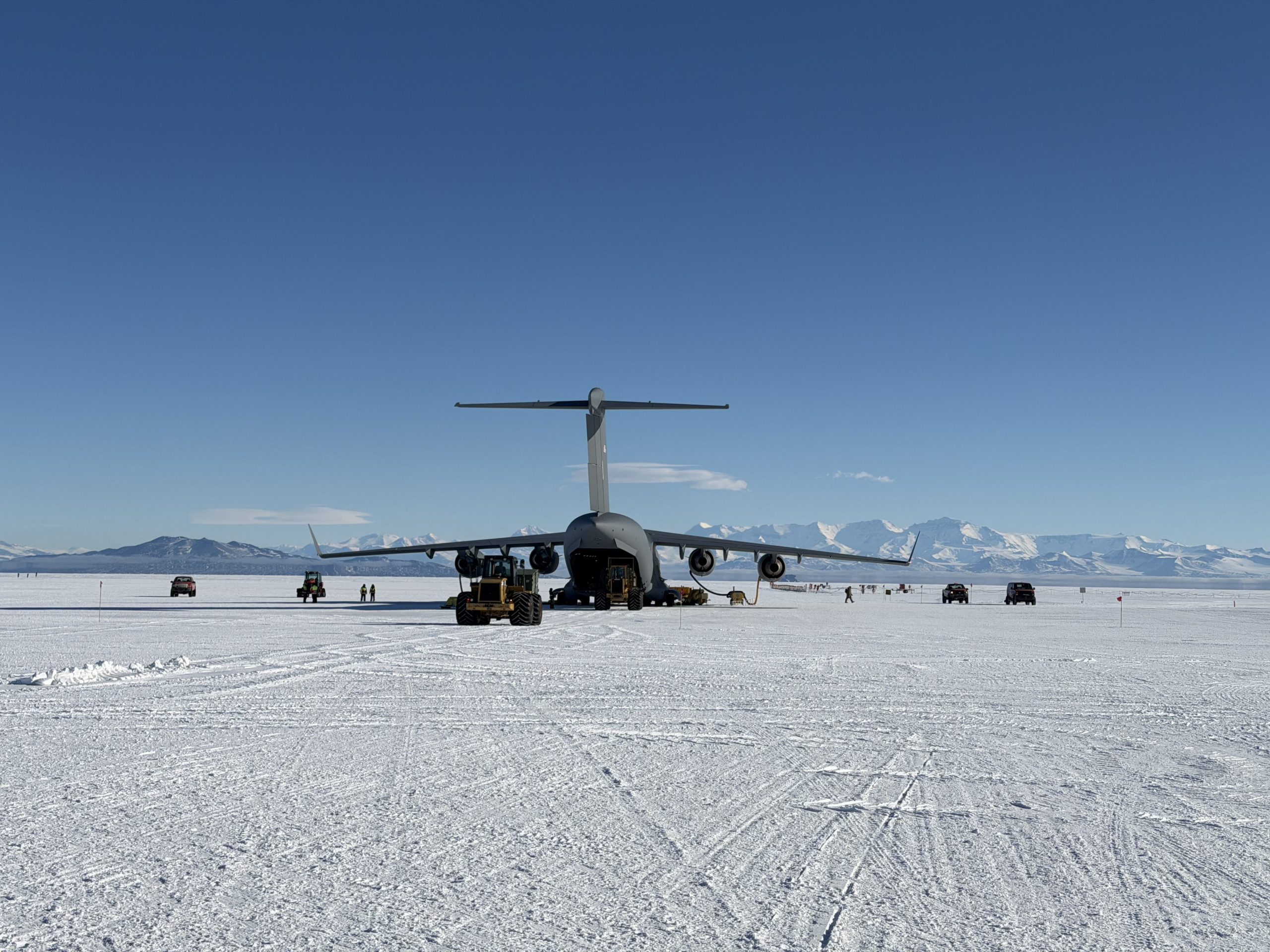
Methven has become a popular resting hub for United States navy and army personnel returning Stateside after deployment in Antarctica.
The visits boost the town’s economy by about $250,000 a season, Southern Cross Lodge owner Dave Dynes says.
A recent visit saw 95 American military personnel in the town in late-February for short break before returning to America.
The Methven community benefit from the visitors making accommodation bookings and using hospitality facilities across the town, Dynes said.
On average, crews visit late-October and November, and then mid-January to late-February.
‘‘We have to be flexible as it can be short notice to pick them up and accommodate them,’’ he said.
‘‘The nature of the Antarctica schedule can change with planes breaking down, or conditions meaning people can be stuck at the Antarctica or turned back from landing.’’
In 2010, when he first got involved, Dynes had to accommodate 70 people for two weeks.
He was part of a tourism group in Christchurch and was contacted to see if there were vacant beds in Methven, as there were not enough in the city.
Now, when the programmes need to accommodate returning service personnel, air crew or scientists and Christchurch has run out of beds we get contacted, he said.
‘‘It’s great meeting all these new people and I certainly have learnt a lot about the Antarctica from having these visitors.’’
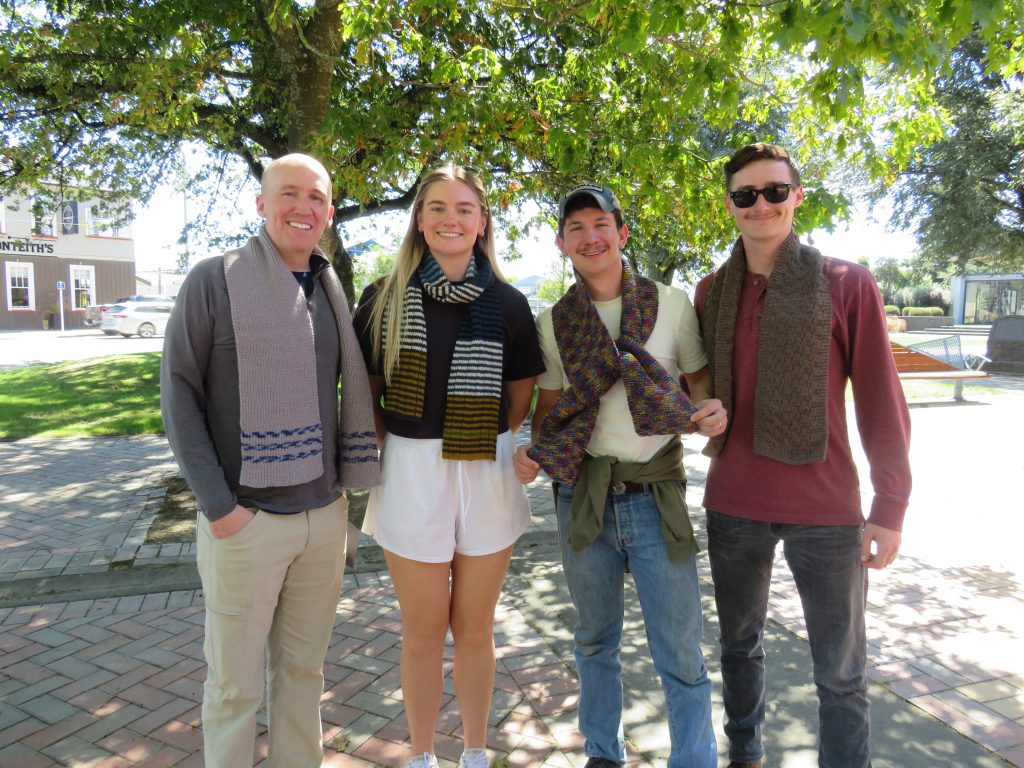
Among the latest visitors were Ensign Rilee Lear, Commander Nathan Patterson and Lieutenant’s Oliver Thigpen and Sam Morgan, all crew of the Navy Cargo Handling Battalion One from Williamson Virginia.
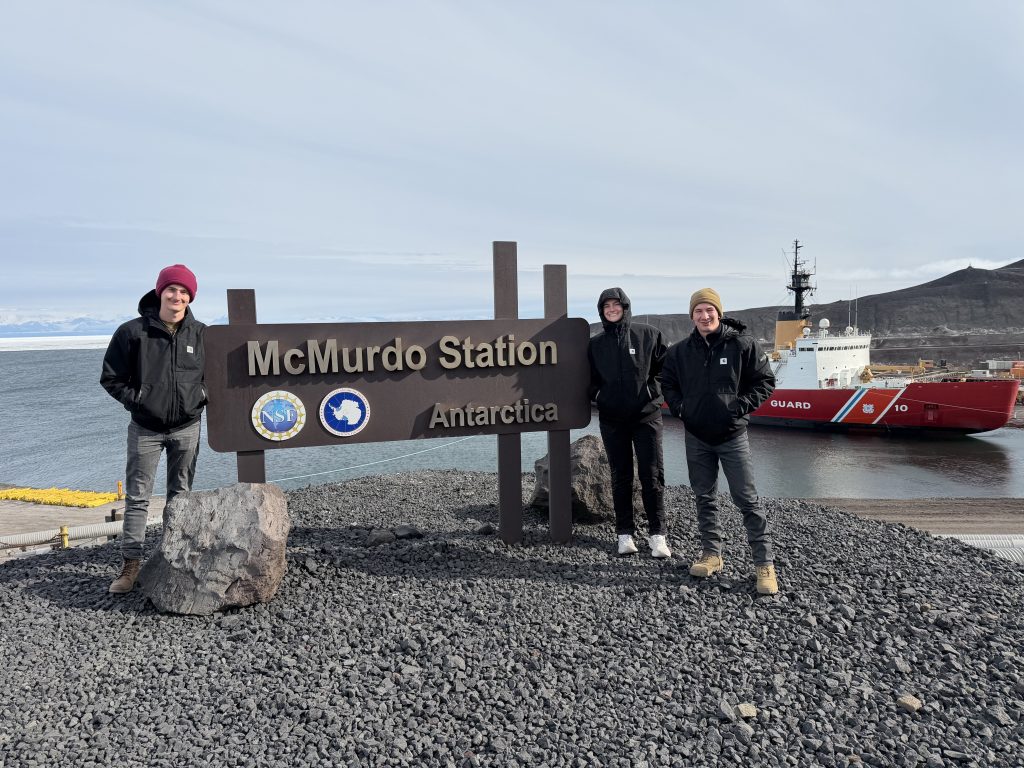
‘‘When we flew in we saw a night sky for the first time in five weeks as its day time 24 hours and light the whole time,’’ Thigpen said.
‘‘We are finding Methven so much warmer and appreciate the natural beauty, along with access to things like a pie and the hospitality and friendliness of the community,’’ Patterson said.
Years ago, Methven hosted members of the New Zealand Antarctic crew deploying to the ice for their 14 days quarantine period prior to departure during Covid.
Since then Dave Dynes had built a good relationship with the US Antarctic and New Zealand Antarctic Programmes based in Christchurch.
Recent visitors included the four members of the Navy Cargo Handling Battalion One from Williamson Virginia who worked 12 shifts-on, 12 shifts-off, at McMurdo Station in Antarctica.
The US defence force work in partnership with the New Zealand Defence Force while on operations in Antarctica.
On this rotation in the deep south, there were 60 members of the US navy and 30 from the army.
Their role was to assist with the annual restock for the 1000 people who work and live at Antarctica.
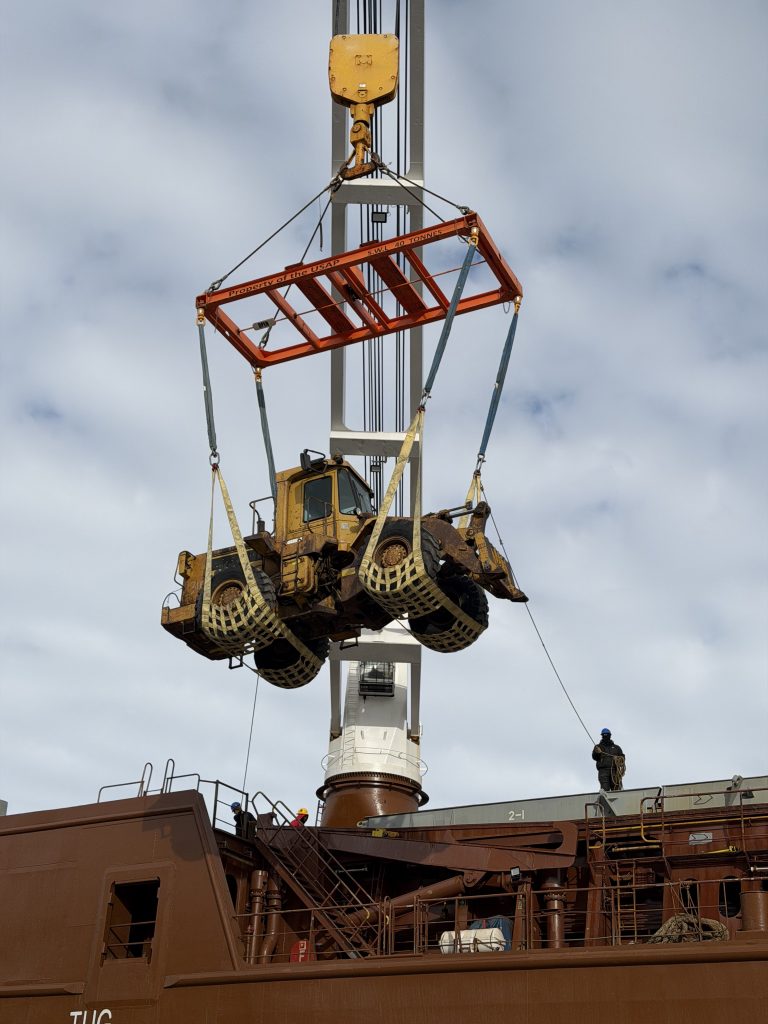
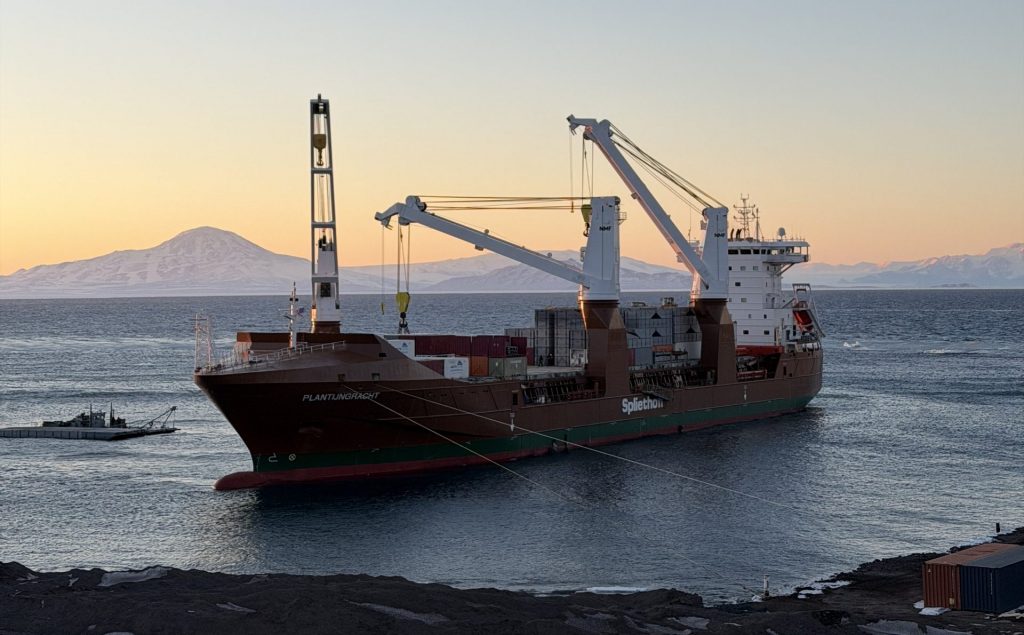
The supplies they unloaded were for the American’s McMurdo Station, New Zealand’s Scott Base and the South Pole.
They handled 18 million tonne of food, equipment, material for scientists and rubbish.
Lieutenant Oliver Thigpen said among the items shipped-in was food, including frozen and canned items, along with fresh fruit like apples and oranges.
During their downtime, they enjoyed experiencing some of the trails around McMurdo Station.
‘‘It was good to get out an exercise and have a mental escape,’’ Lieutenant Sam Morgan said.
Before they could unload their vehicle, their colleagues in the army had to build a causeway.
It was very cold. Some sailors received minor frost-bite on their toes from being exposed to the elements for 12 hours a day.
This was despite three to four layers of clothing.
They were working in temperatures from 0 to -32 degree Celsius and in 40 knot winds.
Commander Nathan Patterson said work had to pause if winds got to 25 knots while unloading because it became too dangerous with items being unloaded via a sling.
Operations were paused on one occasion due to a Weddell seal taking an interest in the cargo operations from the pier.
Thigpen said his experience of working on the ice had been like being in another world.
While the defence force personnel from New Zealand and America both share common military terms, it took the Americans a while to get used to the Kiwi lingo, like ‘sweet as’.
On the ice, come of the challenges included limited communication with home, and working to a tight timeframe.
“There is a limited period for the unload to be completed in before wintry conditions begin to form.
‘‘We stayed on schedule while maintaining safety,’’ Patterson said.