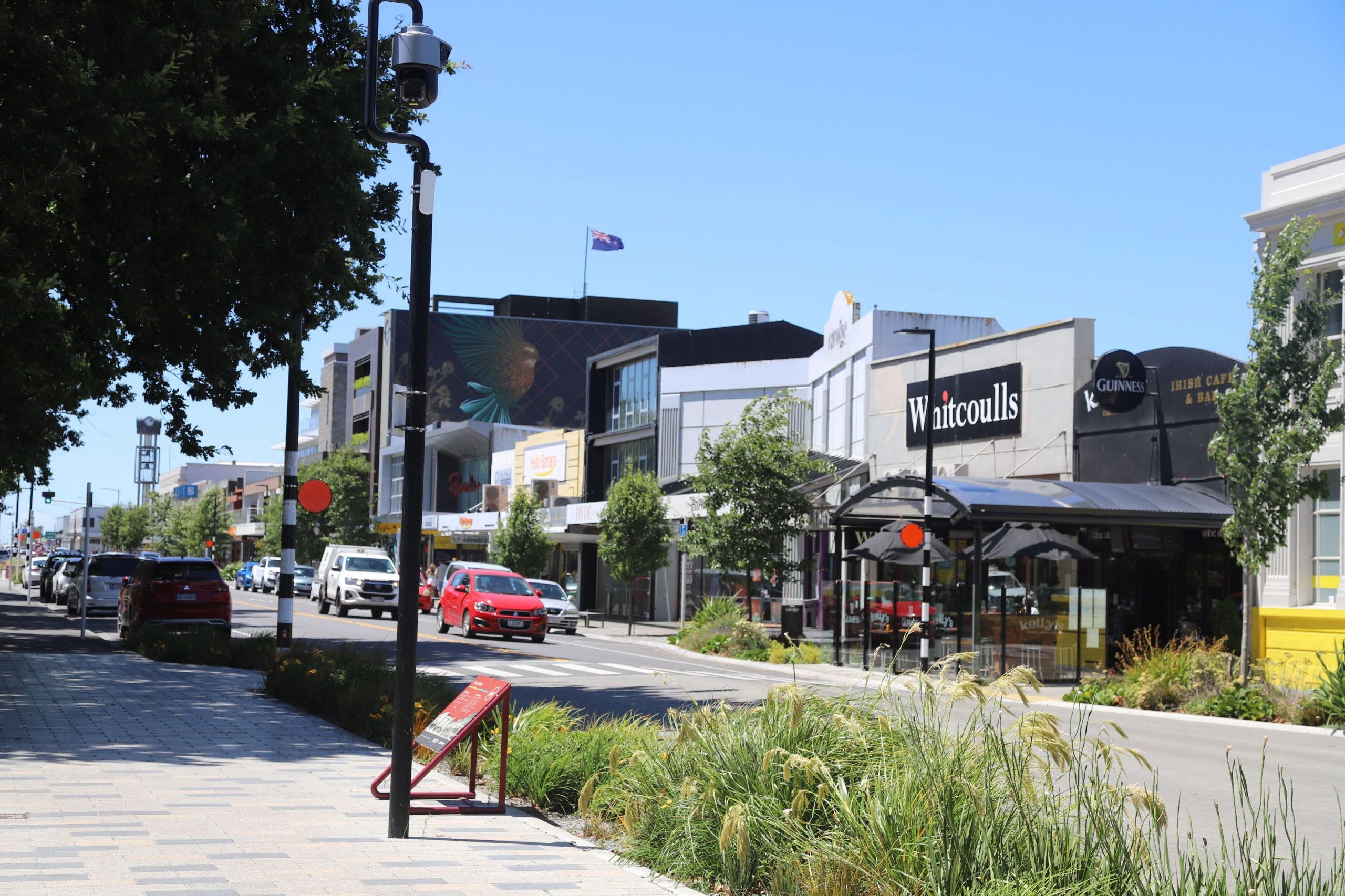
Plans for a $50,000 feasibility study into a proposed learning hub have been scrapped in favour of investigating ways to increase “the vibrancy” of the Ashburton CBD.
District councillors voted 6-4 in favour of reallocating the money from the learning hub to a CBD foot traffic study.
The learning hub was a centre-piece of the council’s Economic Development Strategy in 2023, but two years on, council staff said the idea no longer stacked up.
Economic development manager Shelley Donnelly said new analysis showed the learning hub concept has been overtaken by the rapid rise of online learning and the growth of existing community education providers.
Donnelly said the feedback from stakeholders, including tertiary providers and local businesses, was “there is no need for a physical campus”.
Donnelly said developing a “learning network” would continue out of economic development’s business-as-usual budget.
The report to councillors outlined that the shift to online training has become standard practice across education providers, while community groups, such as Keep Learning Mid Canterbury, have also stepped in with their own programmes.
Instead, she proposed the $50,000 earmarked for the Learning Hub study be redirected to a feasibility study aimed at increasing foot traffic in Ashburton’s CBD.
She said the goal is “increasing the amount of people coming into the town centre, spending time and money in the district”.
The study will focus on identifying strategies to attract new business and opportunities, decreasing the vacant buildings in the area, and opportunities for new events to support the hospitality industry, she said.
Compliance and development general manager Ian Hyde said it would provide advice to the business community “as to how they can get ahead”.
Donnelly said she had met with some CBD operators who all agreed “something needs to happen”.
“We need to get together as a town, as a community and invigorate the space”.
Councillor Julie Moffett asked if the study was something the businesses could do themselves.
Donnelly said they could, but the foot traffic study was in the council’s economic development strategy.
“I can see that would be the objective we gain the most traction with.”
It was also noted that there is no longer a retail association in Ashburton.
Councillor Phill Everest said that the study will likely point to additional expenditure, and Donnelly said there was no additional budget beyond the study.
Moffett supported the CBD study but had reservations that it would present “a whole lot of stuff that can’t be done, and then it’s shelved”.
Councillor Deb Gilkison said the vibrancy of the town centre is important and can “make Ashburton less of a drive-by town”.
Councillor Tony Todd, a former CBD business owner for 50 years, suggested a think tank with retailers and developers is a good first step in revitalising the town centre as they need to “create the right environment”.
“We have State Highway 1 across the road and have thousands of cars going through our town every week, but we need to give them a reason to stop here.”
Councillor Russell Ellis said attracting more SH1 traffic to stop and spend could be big for the economy.
He said if 5 per cent more stopped and shopped, “the economic turnaround for some of our shops that have unfortunately closed in the last couple of years, the outcome for them may have been different”.
It is a small amount of money to spend “to see if we can make our town vibrant and have a flow-on effect”.
Deputy mayor Richard Wilson and councillors Phill Hooper, Jeanette Maxwell and Everest voted against it.
Hooper preferred not to spend the money, and instead add it to surplus to reduce the economic development rate requirement in 2026/27.
He pointed to the council’s recent $15 million town centre revitalisation, completed at the end of 2021 after almost two years.
“Our town centre is gorgeous.
“I think it’s time for the council to get out of the way of local business and let them get on with being local business.
“We need to stay in our lane.”