
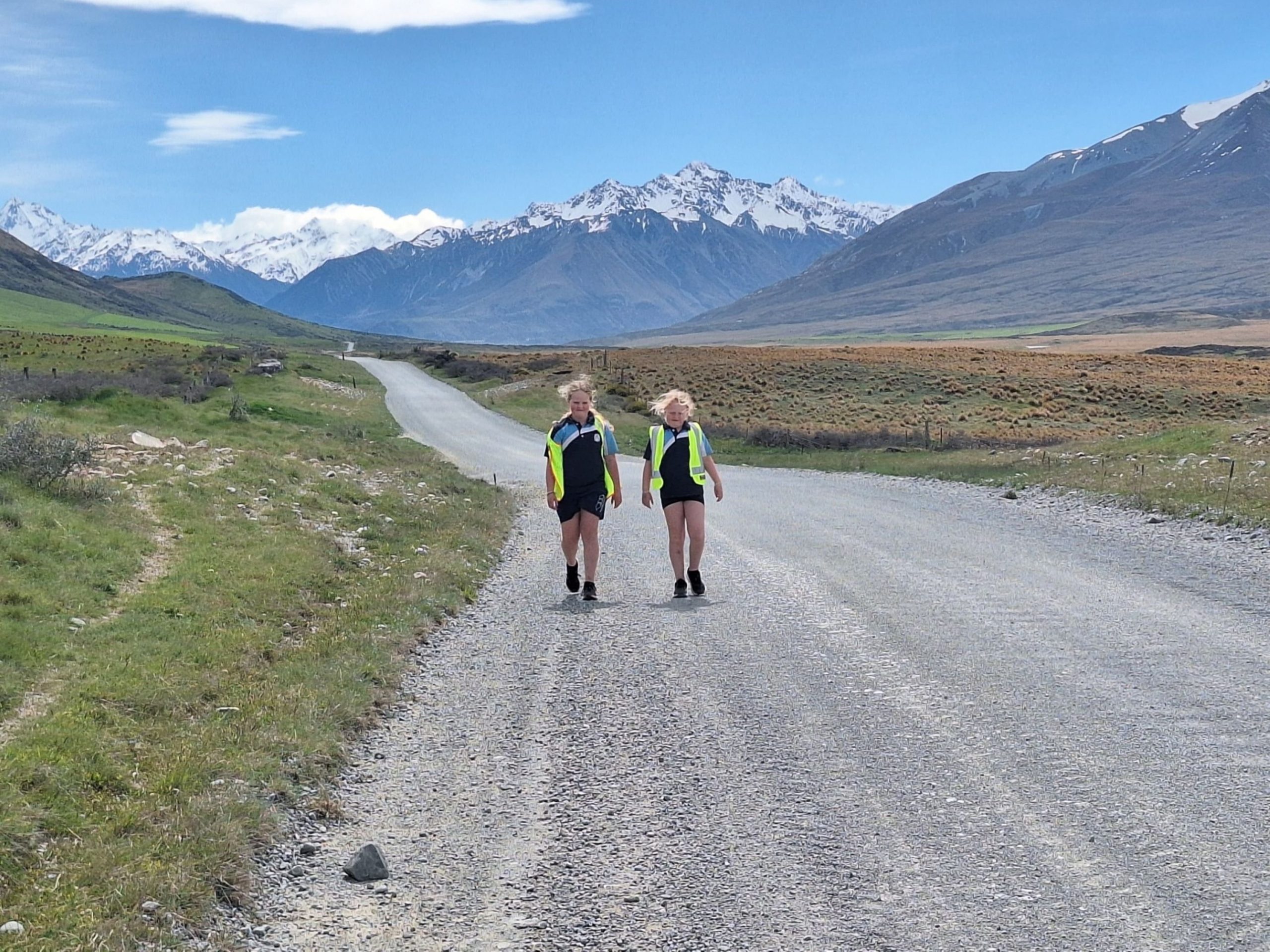
Mount Somers Springburn School parents are stressed in the face of reduced funding for delivering school bus services.
It will mean less routes offered.
In term 4 last year the Ministry of Education initiated a funding review of the school’s directly resourced (DR) bulk funding, which is funding given to schools for transport services.
Ministry of Education group manager school transport James Meffan said the amount was based on the number and location of eligible students, and the length of funded bus routes the ministry had designed for these students.
‘‘Our review was completed in April 2025 and Mt Somers Springburn School was notified that due to changes in where their eligible students live that the school’s DR funding would be decreasing,’’ Meffan said.
‘‘This eight months’ notice period enables the school to decide if they are going to make changes to the bus routes they run and to notify their community of any changes,’’ he said.
Principal Morgan Platt said the ministry had funded the school for a maximum number of kilometres.
‘‘They have suggested most efficient route. While we can adjust the route if we choose, any extension in one direction requires a reduction in another,’’ Platt said.
‘‘For example, we could alter the route to include our Mt Potts whanau – we have three children there – but doing so would mean shortening the route elsewhere, resulting in around 10 children at the opposite end losing access,’’ Platt said.
‘‘The government talk about supporting rural communities but the changes to school buses impact not just the pupils and their families, but also the wider community.’’
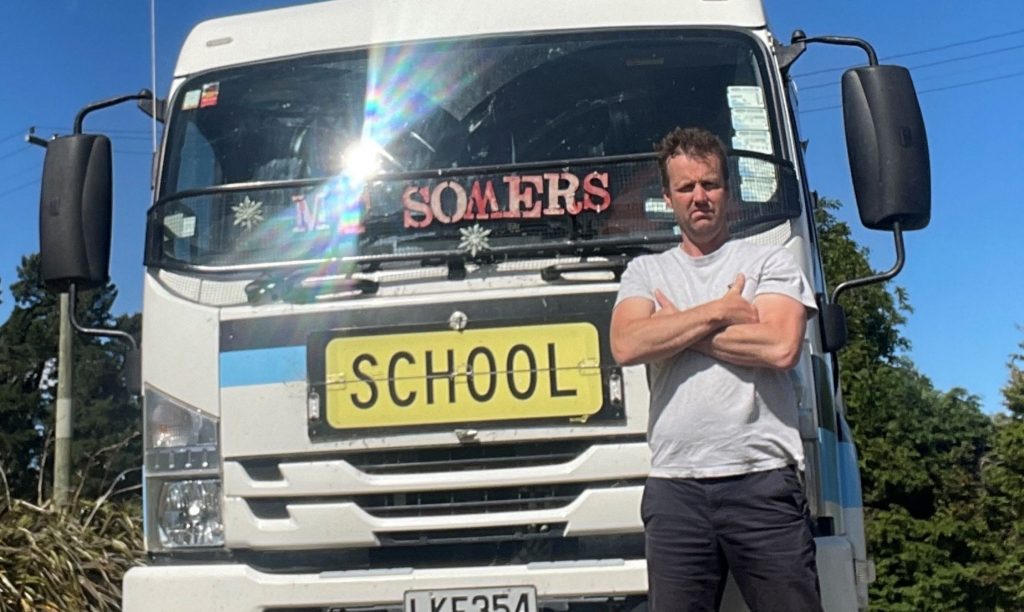
It was not just an issue for his school; other schools were facing similar issues.
He said about 50 families attending the school used the bus service, and 16 were impacted by the changes, as well as zoning issues.
‘‘We have families who attend our school but may be in a different transport entitlement zone and vice versa,’’ Platt said.
‘‘It would be helpful if they both aligned, because at present it’s a messy system.’’
He said families were considering what the changes will mean for their children’s education.
In some cases, it may mean parents drove a round trip of 40km twice a day to get to and from the nearest bus stop.
And it could impact families looking to move to the area for work, as they wanted to know their children could get to school by bus.
He said three bus runs would reduce to two at the beginning of next year.
The reduction was stressing families, as some pupils would have to travel further to get on the bus, while others would have to spend longer on the bus.
‘‘Ideally a child shouldn’t be on a bus for more than an hour. Yet with the changes we will have a six-yearold on a bus for an hour and 20 minutes,’’ he said.
For Rachel Lea from Hakatere Potts Rd, the changes meant her seven and eight-year-old who currently travelled 13km each way to catch the bus will travel 21km in 2026.
‘‘Our children will be first on the bus and last off each day. So the 24 minutes they currently spend on the bus for a school day in 2026 will be an hour. It makes a long day for younger ones,’’ Lea said.
‘‘There may be days where they learn on the farm, rather than go school to learn from the curriculum, with the changes making it a challenge to get them to school,’’ she said.