Horrell Engineering has sat at the intersection of Victoria and Wills streets in central Ashburton for 75 years.
It is now run by the family’s third generation.
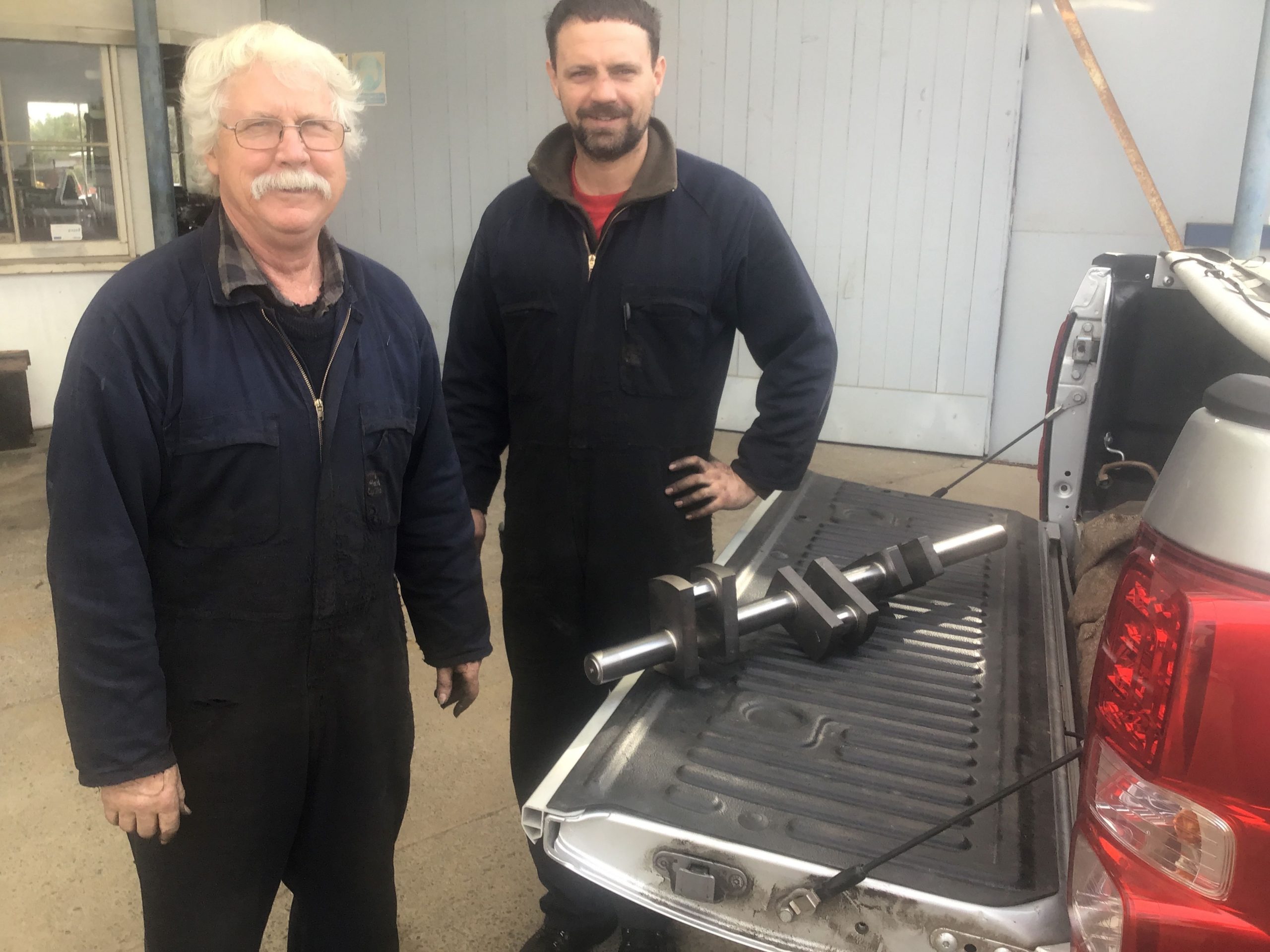
Blair Horrell, the current owner and director, is the son of the late Kerry Horrell, and grandson of founder, the late Cliff Horrell.
Blair, and wife Mel’s daughter, Quinn is the next generation to be working in the family business.
He thinks Cliff would be proud to see the business still operating and still family owned.
‘‘To be able to continue what both granddad and dad started is pretty special,” Horrell said.
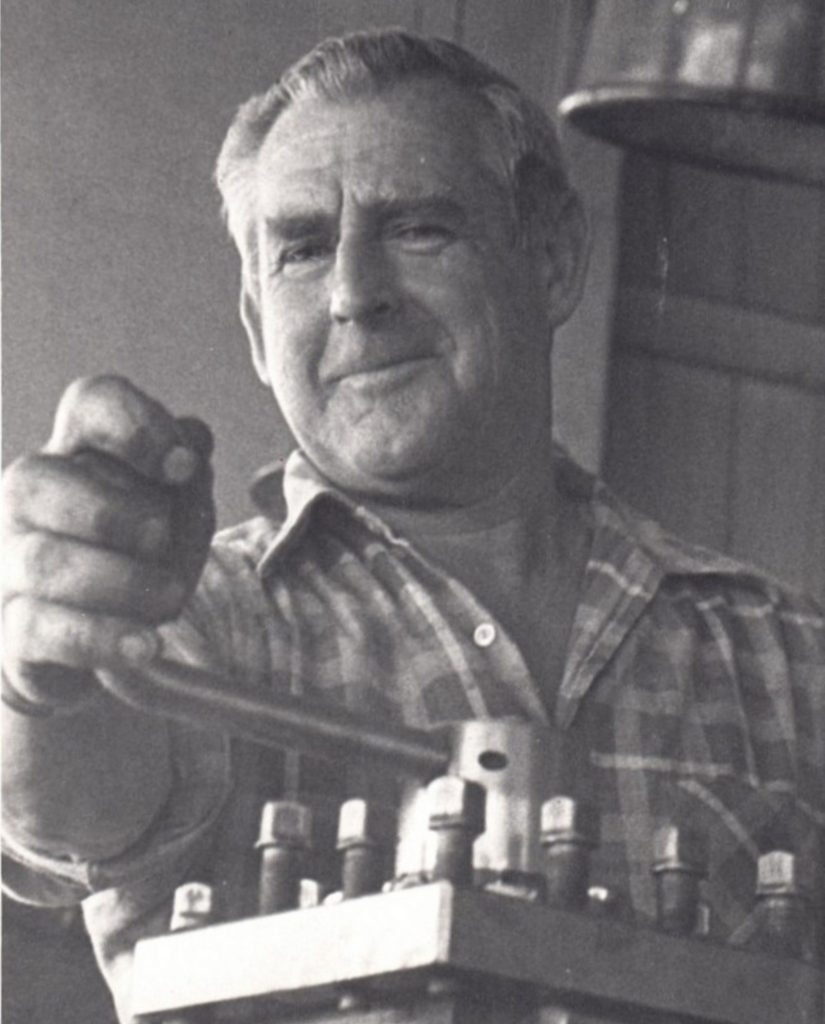
‘‘Granddad worked hard to build a solid, practical engineering business, and a lot of what we do today still reflects that approach.
“The workshop, many of the machines, and the type of work we do would all be very familiar to him,’’ Horrell said.
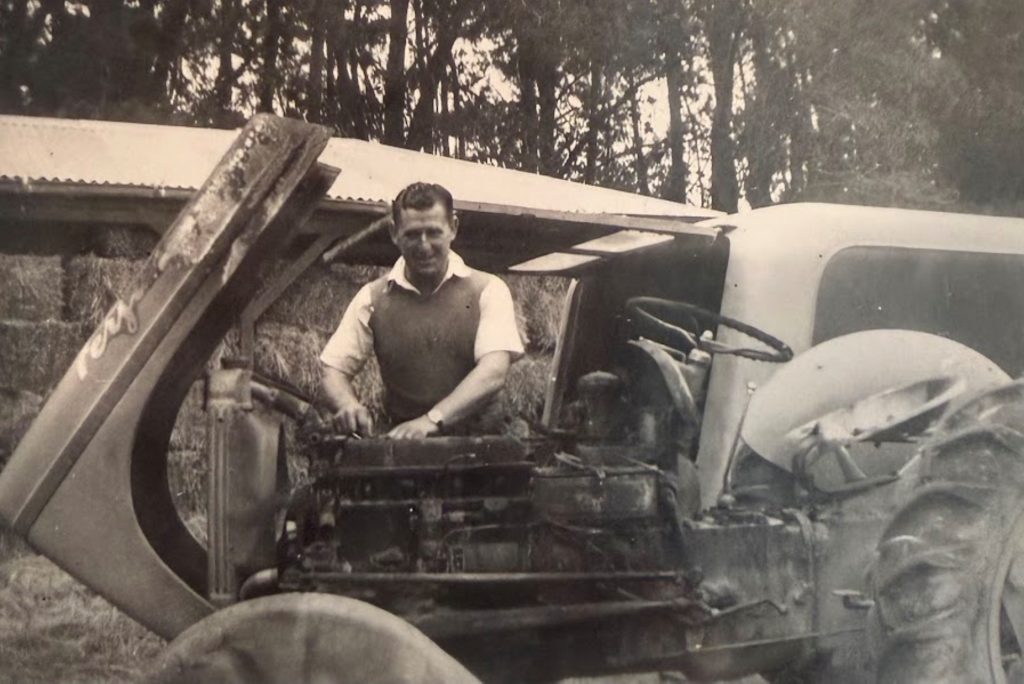
The business started in 1950 when Cliff purchased a 1937 International Truck for use as a mobile workshop.
Such was his talent that he customfit it out complete with compressor, welding gear and drawers for tools and fittings.
Prior to purchasing the building of Horrell & Co, Cliff would travel around the county repairing tractors, combines and other machinery.
The business specialises in general engineering and precision machining.
‘‘Over the years we’ve worked on everything from agricultural machinery repairs and one-off components to shafts, gears, and custom-made parts.
“We also manufacture sprockets and pulleys locally, something very few businesses in New Zealand still do,” Horrell said.
‘‘As part of our 75 year celebrations we are also opening a dedicated engineering supplies store, making our range of fasteners, bearings, steel and engineering products more accessible to the public.”
The business started with servicing farming equipment and importing second hand machinery from England.
‘‘One of the first major projects was manufacturing bale loaders and elevators through the 1950s and 60s,” Horrell said.
A highlight for the company in the earlier days was designing and producing ACE Garage Equipment for E.W. Pidgeon.
The sale of the items nationally and internationally lead to significant growth in the company.
‘‘Cliff also saw opportunity in surplus government equipment, acquiring aircraft parts, Rolls-Royce Merlin engines and machine tools, and holding large auctions in the
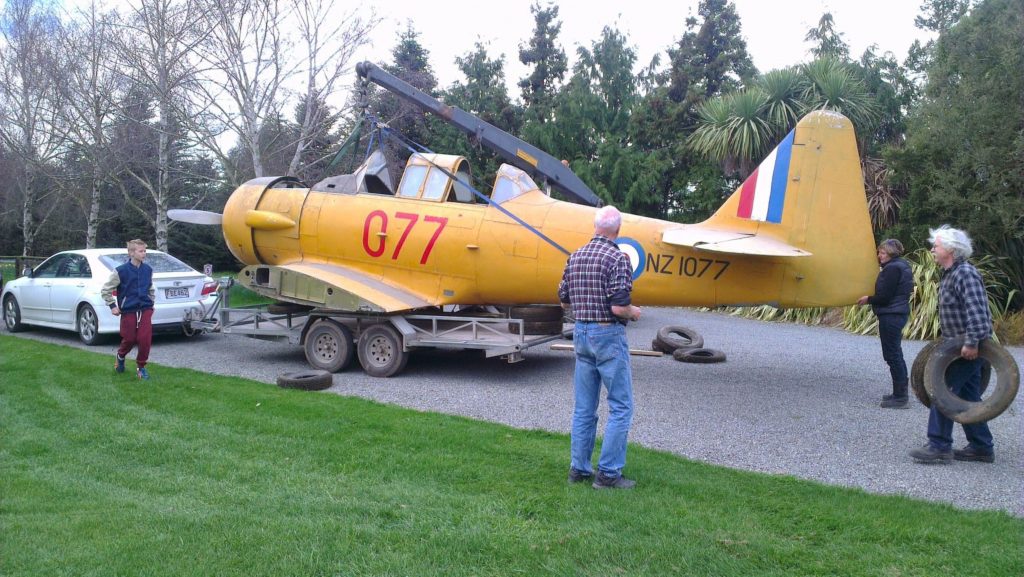
Ashburton Arcade.’’ Among the military items Cliff Horrell picked up was a aircraft that took pride of place at his home in Seafield Rd for many years.
The acquisition of the plane came after Cliff purchased a large amount of surplus World War 2 equipment from the government.
The purchase of the plane ‘‘reflected a unique period in the business when surplus military equipment was being bought, dismantled and repurposed,’’ Blair Horrell said.
Continuing as a three generation family business and still operating locally after 75 years was also something we are very proud of, Blair Horrell said.
His dad, Kerry was part of the workshop from a young age.
Kerry began cleaning up around the place before moving on to machining jobs.
He had followed in Cliff’s footsteps and trained as a engineer in the Royal New Zealand Air Force. After his time in the air force ended, he returned to work at Horrell Engineering taking over the business in 1990.
Under Kerry’s ownership, the business diversified into sprocket and pulley manufacturing, becoming one of the few businesses in New Zealand still producing these locally.
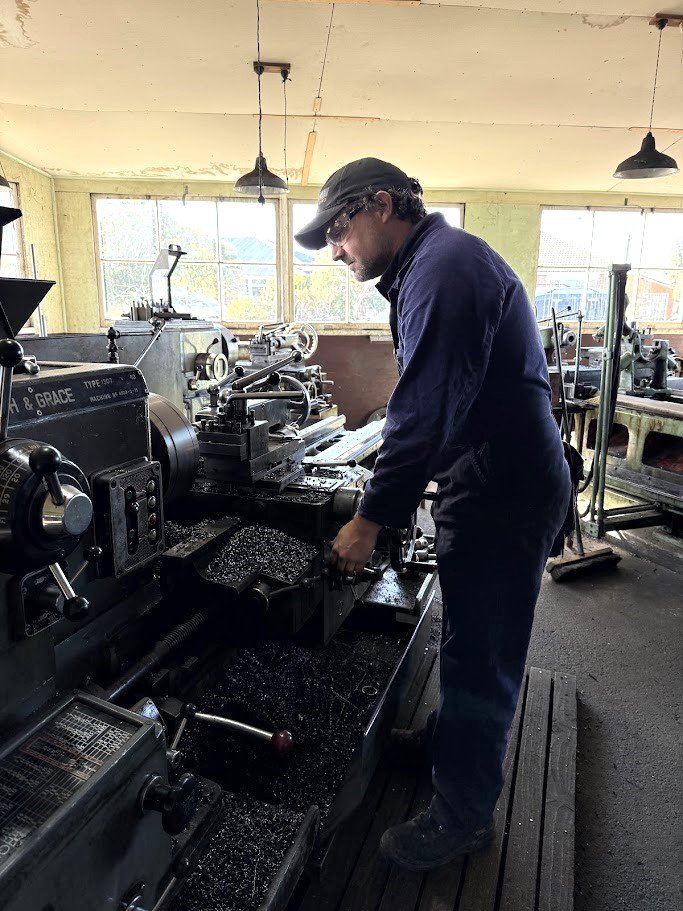
Today the business continues to focus on machining, repairs and locally manufactured components.
‘‘Kerry played a key role in growing the pulley and sprocket side of the business. He was also one of the first in Ashburton to adopt a computer based invoicing system – complete with dot matrix printer – which he stuck with right up until I took over,’’ Horrell said.
Kerry passed away after a brief illness in 2020, but his influence on the business and the people around him remained a big part of Horrell Engineering today.
The younger Horrell said he started out painting pulleys from the age of seven — which Quinn, as the fourth generation of the family was doing now at age 10 — then he moved on to basic machining as a teenager.
‘‘Growing up around the workshop you don’t fully appreciate the history at the time, but as you get older you realise how much work has gone into building the business.”