
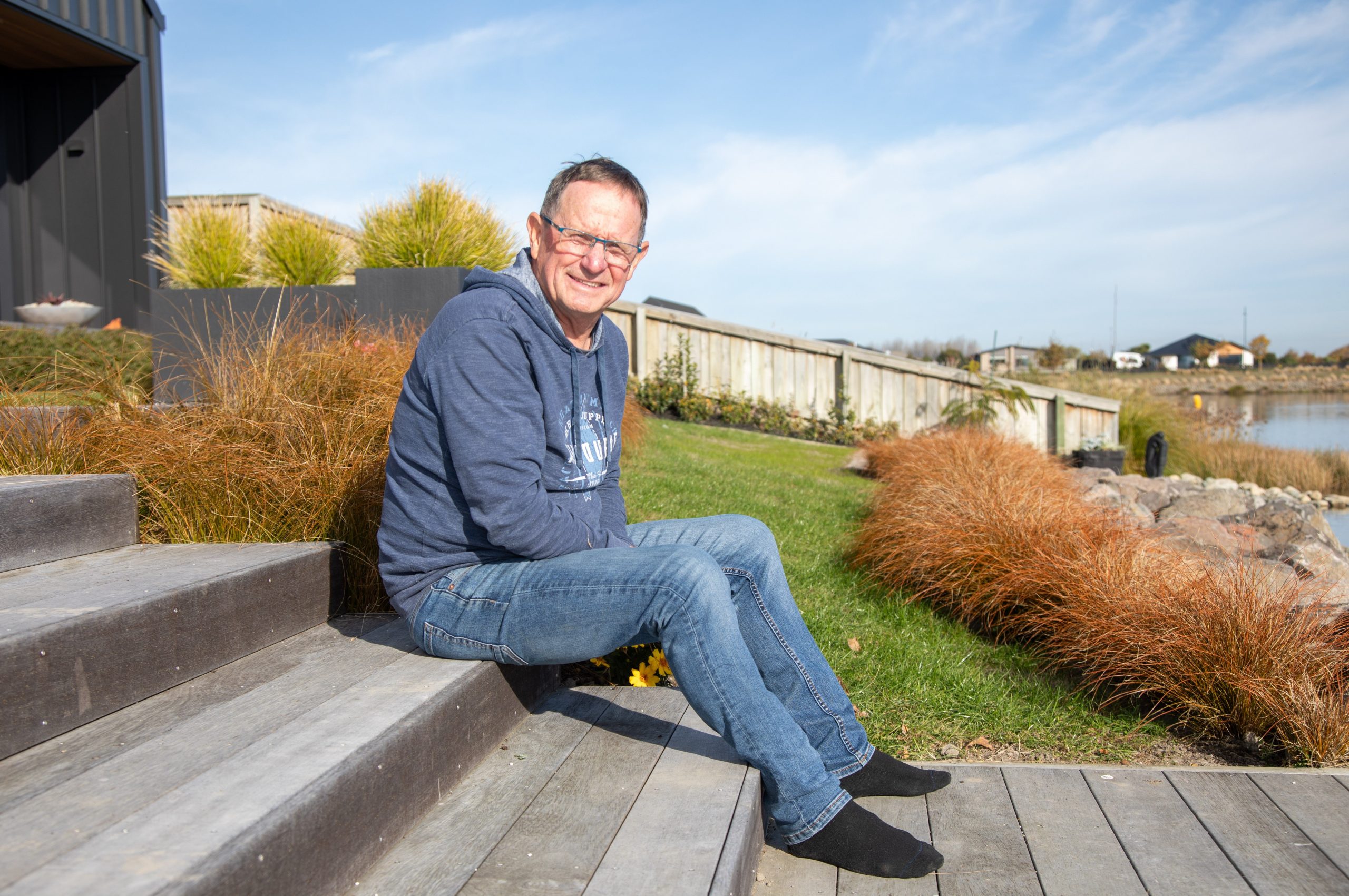
Kevin Schicker and his wife Alison are living their best life at Lake Hood.
It’s a decision they made in 2023 and they have not looked back.
The former Aucklanders chose lakeside living in the South Island to be closer to family.
The other option was Melbourne.
“Someone suggested we check out Lake Hood and we were blown away by it,” he said.
‘‘This is awesome. We have never regretted moving here.’’
Even as the lake faces, what Schicker describes, as ‘‘unbalanced publicity’’ over algae water quality problems.
He feels the district council could do more to endorse the area.
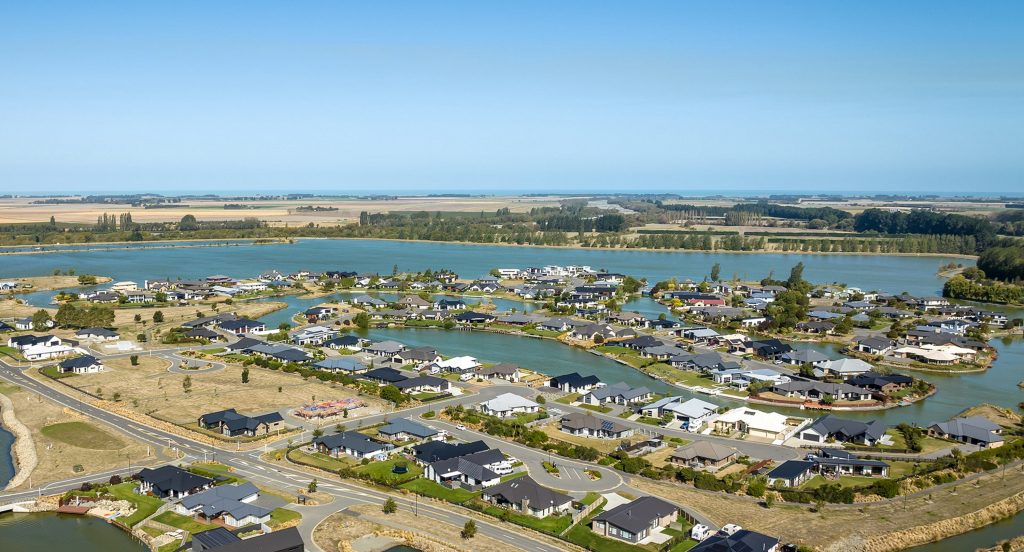
The water in Lake Hood flows from the Ashburton River and from springs in the lake floor.
Water is tested as part of Environment Canterbury’s swimming sites programme during the summer and bluegreen algae (cyanobacteria) is sometimes present in the lake.
Earlier this year, it recorded levels of potentially toxic cyanobacteria.
“Approximately 85 per cent of the smaller lakes in New Zealand have algae issues, so we are not alone there,” Schicker said.
“Our grandkids love spending time with us, they are always out in kayaks enjoying the outdoors.”
“Many New Zealand towns would love to have a lake like this one nearby,” he said.
“This should be seen as a jewel in Mid Canterbury’s crown and a magnet to attract people to the area.”
Schicker said scientists were doing great working to find solutions to the cyanobacteria problem and he wanted to remind people of the appeal of Lake Hood.
Council group manager of infrastructure Neil McCann said events at Lake Hood, like rowing regattas, were typically promoted on council’s social media channels and by Experience Mid Canterbury.
He said council was working with Lincoln University Professor Susie Wood and the student team on gathering data about Lake Hood.
Wood has expertise in her field as a freshwater scientist and specialised in revitalising lakes.
‘‘Professor Wood is a world-leading expert in cyanobacteria and we continue to be grateful for the works she is doing for us, for largely no cost to council,” McCann said.
“Scientists are continuing to monitor the lake and (recently) took sediment samples.
‘‘This is part of the work to create a hydrodynamic model that will help us manage the lake in the future by better understanding water flow in the lake.’’
McCann said health warnings issued earlier this year by Health New Zealand were because levels of potentially toxic cyanobacteria had risen above 10mm3/L cyanobacteria biovolume.
The January 14 warning was lifted on March 24 after two consecutive readings of results below 0.5, McCann said.
He said council encouraged people to heed the health warning by avoiding contact recreation in the lake, although the lake was not closed.
As a further support of the lake, council is still working towards employing a manager for the lake with a decision expected at the end of this month.
The proposal was for a dedicated Lake Hood manager to reflect the scale of work required to secure the lake’s long-term future.
The role would oversee water quality mitigation, resource consent renewals, strategic planning for the lake and its surrounds, as well as scoping and contract management.
Key consents for the lake are due to expire by 2031, and council had previously said preparation was needed well in advance due to an increasingly constrained regulatory environment.
‘‘Funds for the role are expected to be approved when council adopts its annual plan on June 30,” McCann said.